Get the essentials without wasting money on gear that looks exciting but does not help you finish tracks.
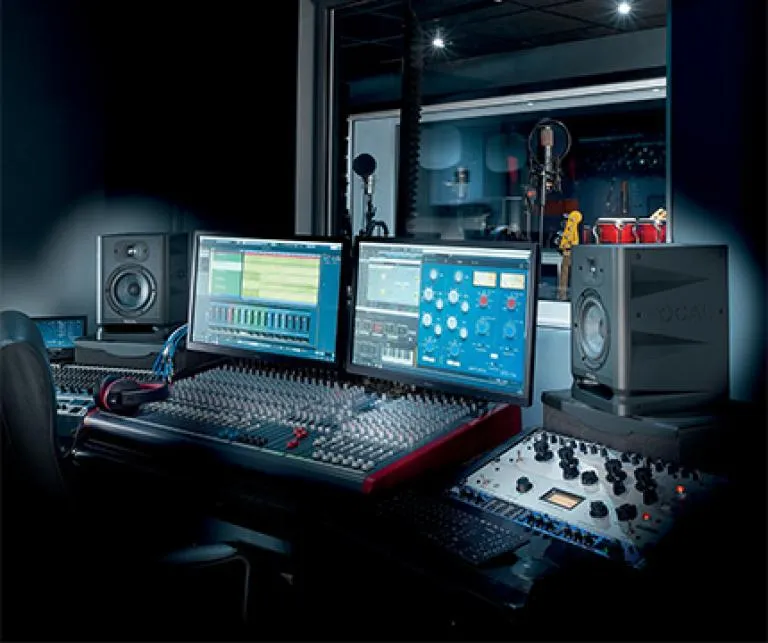
Build a starter studioInterfaces, headphones, monitors, MIDI controllers, mics and plugins all have their place. The trick is knowing which one actually changes your sessions, and which one just looks good in the basket.
Affiliate disclosure: Some links are affiliate links. Producer Hub may earn a commission at no extra cost to you, but the recommendation still has to make sense for the room, budget and job.
Start with the thing you are trying to improve. Recording? Monitoring? Keys? Vocals? Plugins? Spend where it changes the session, not where the advert shouts loudest.
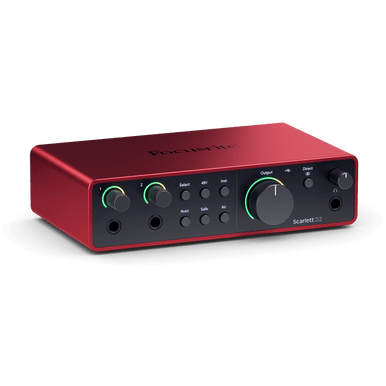
Recording, low-latency monitoring, outputs, headphone amps and clean setup choices.
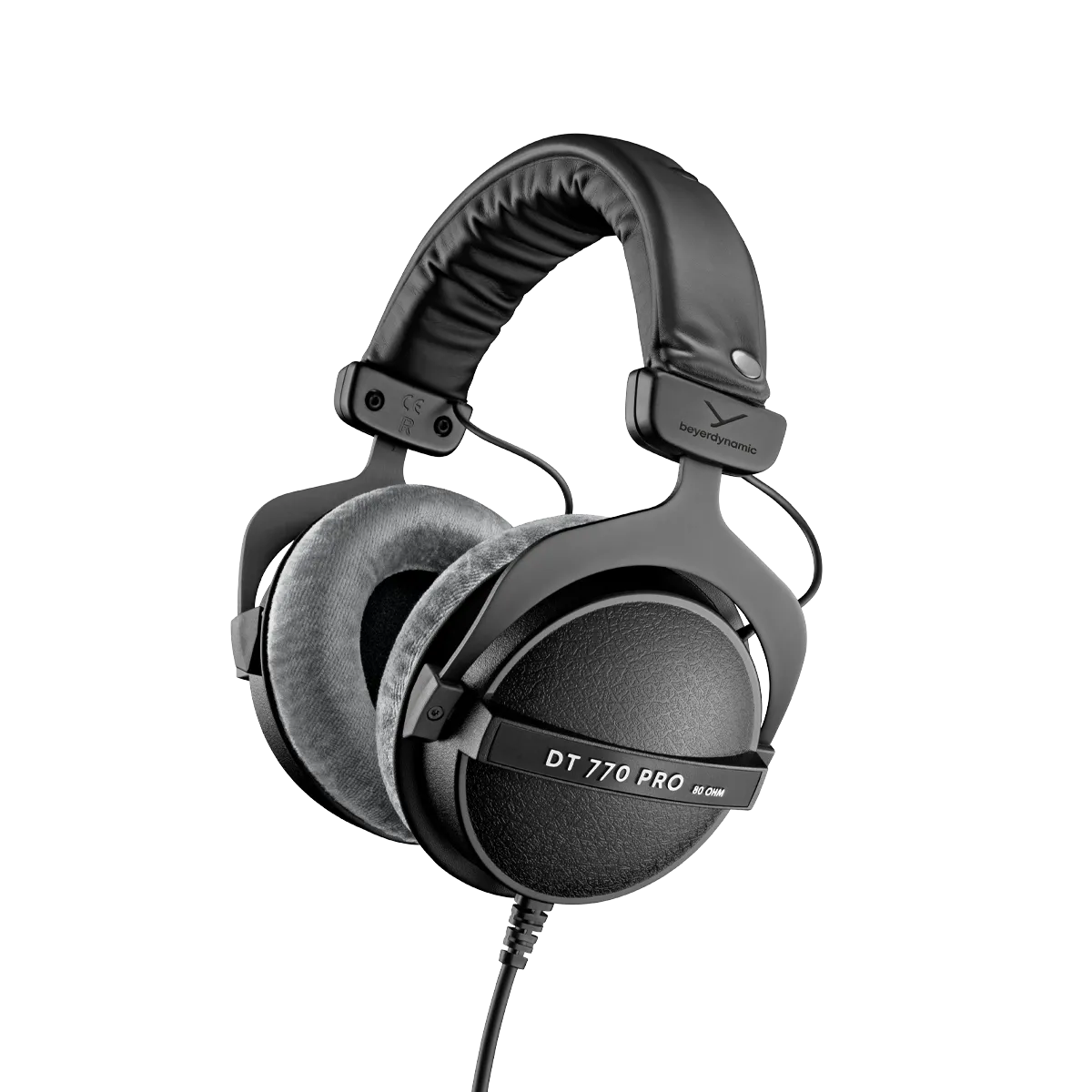
Closed-back tracking, open-back mixing, late-night production and reference checks.
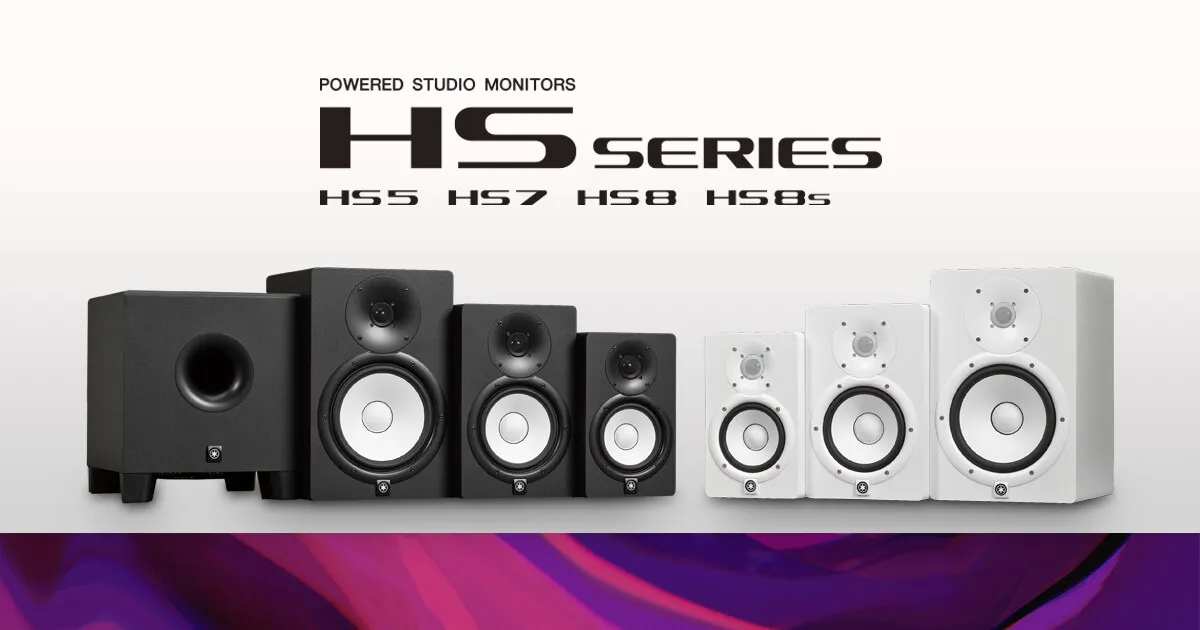
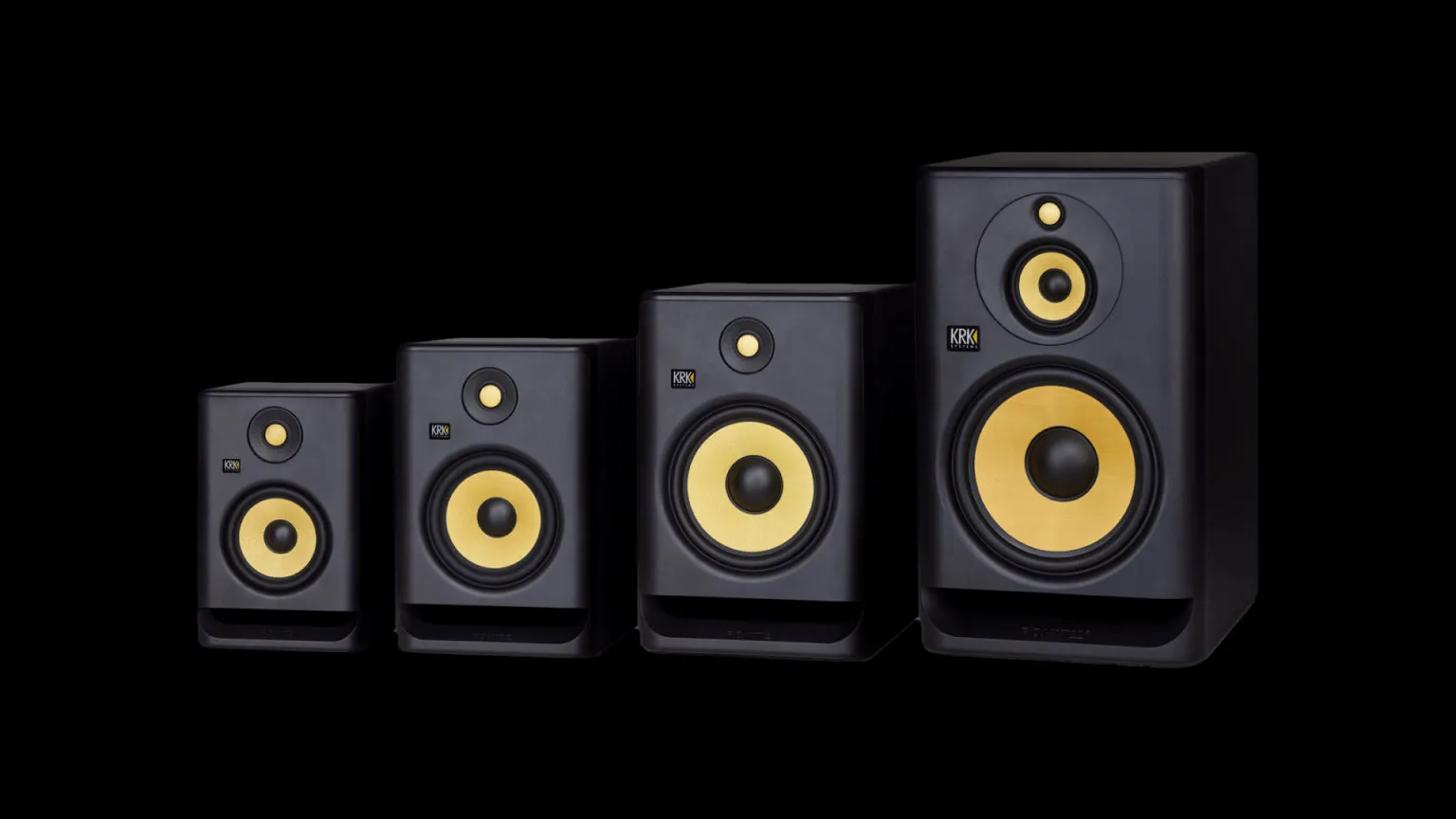
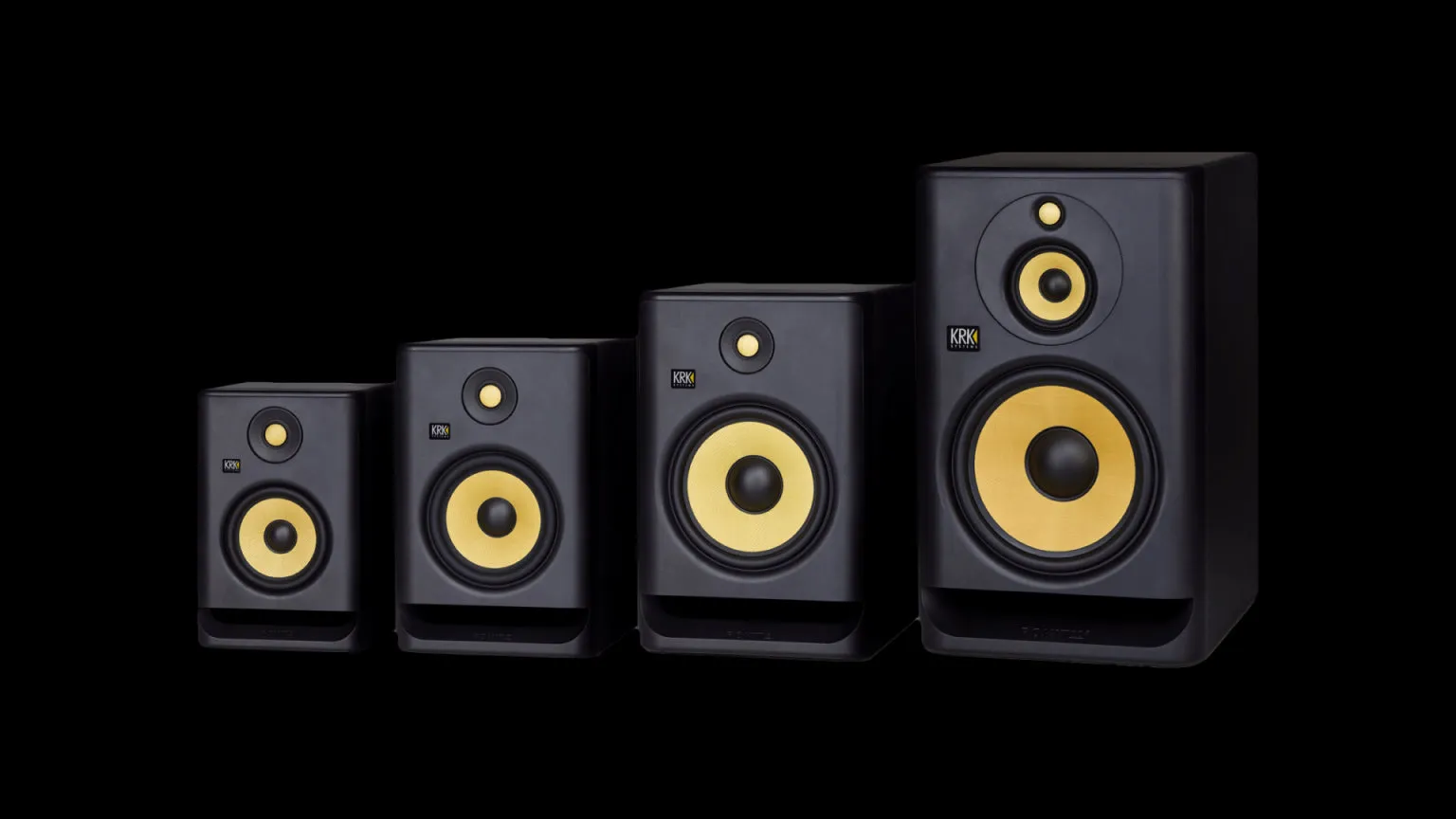
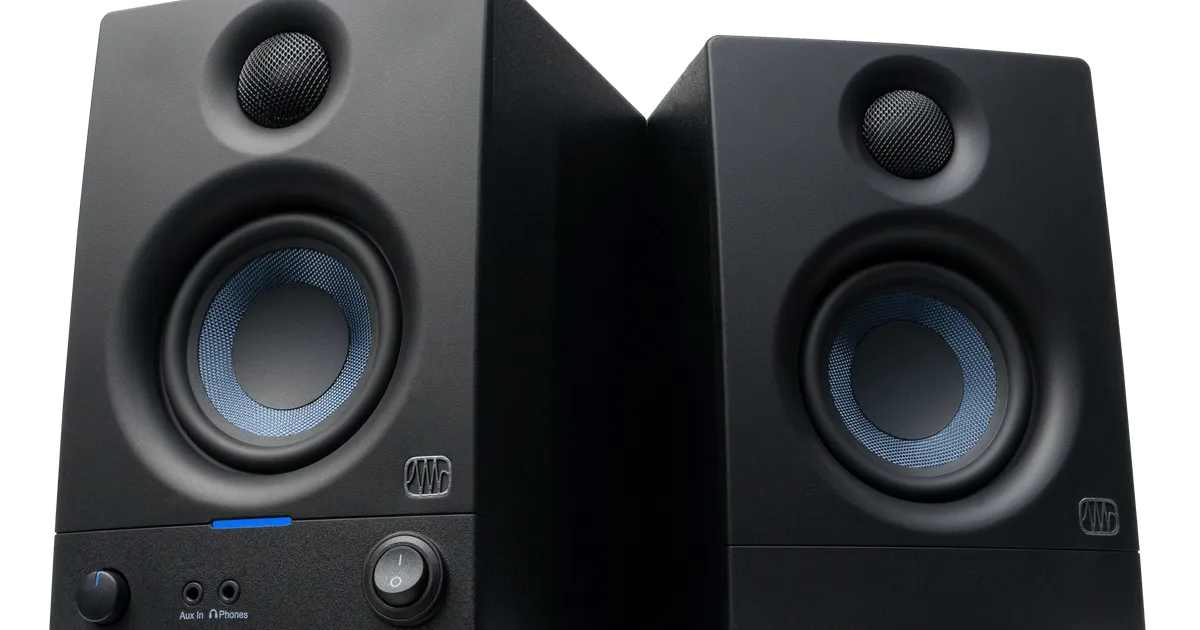
Small-room monitoring, translation, room-size decisions and honest playback.
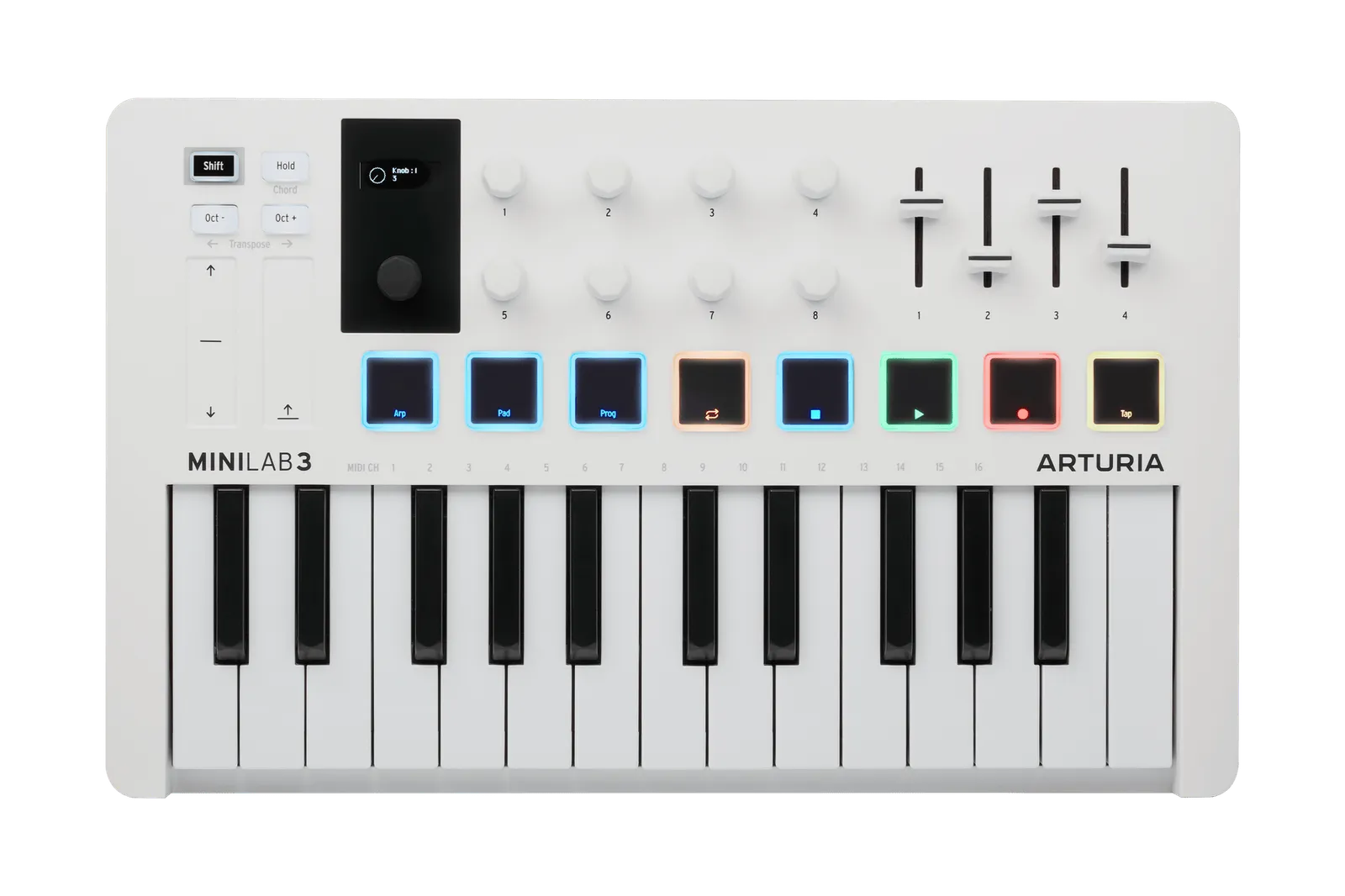
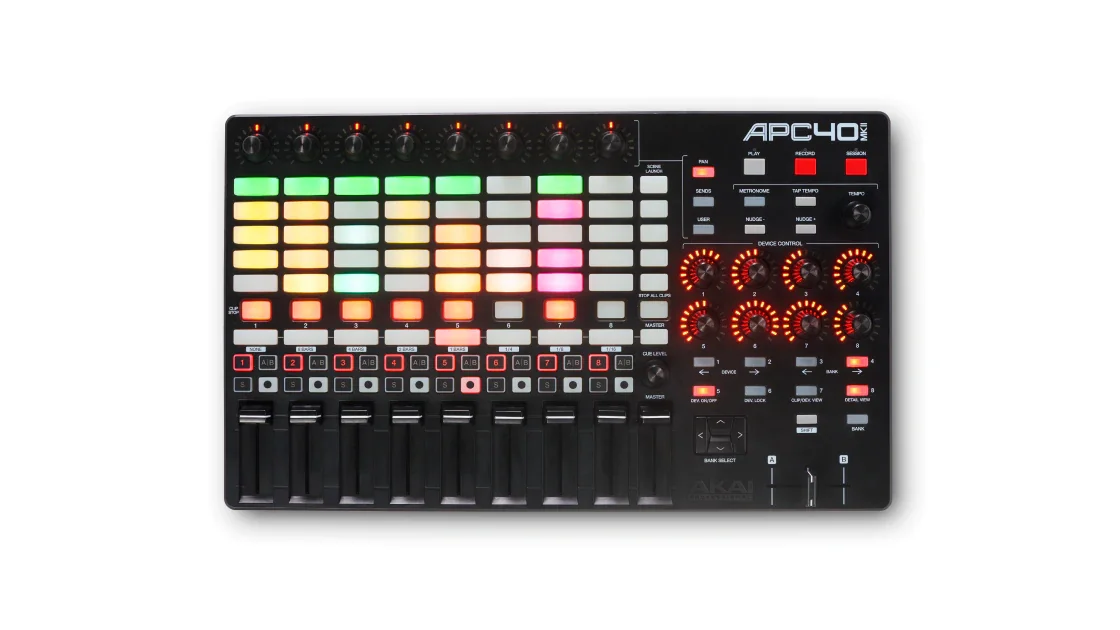
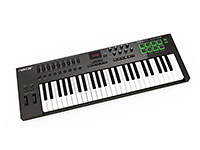
Keys, pads, DAW control, Ableton performance and compact writing setups.
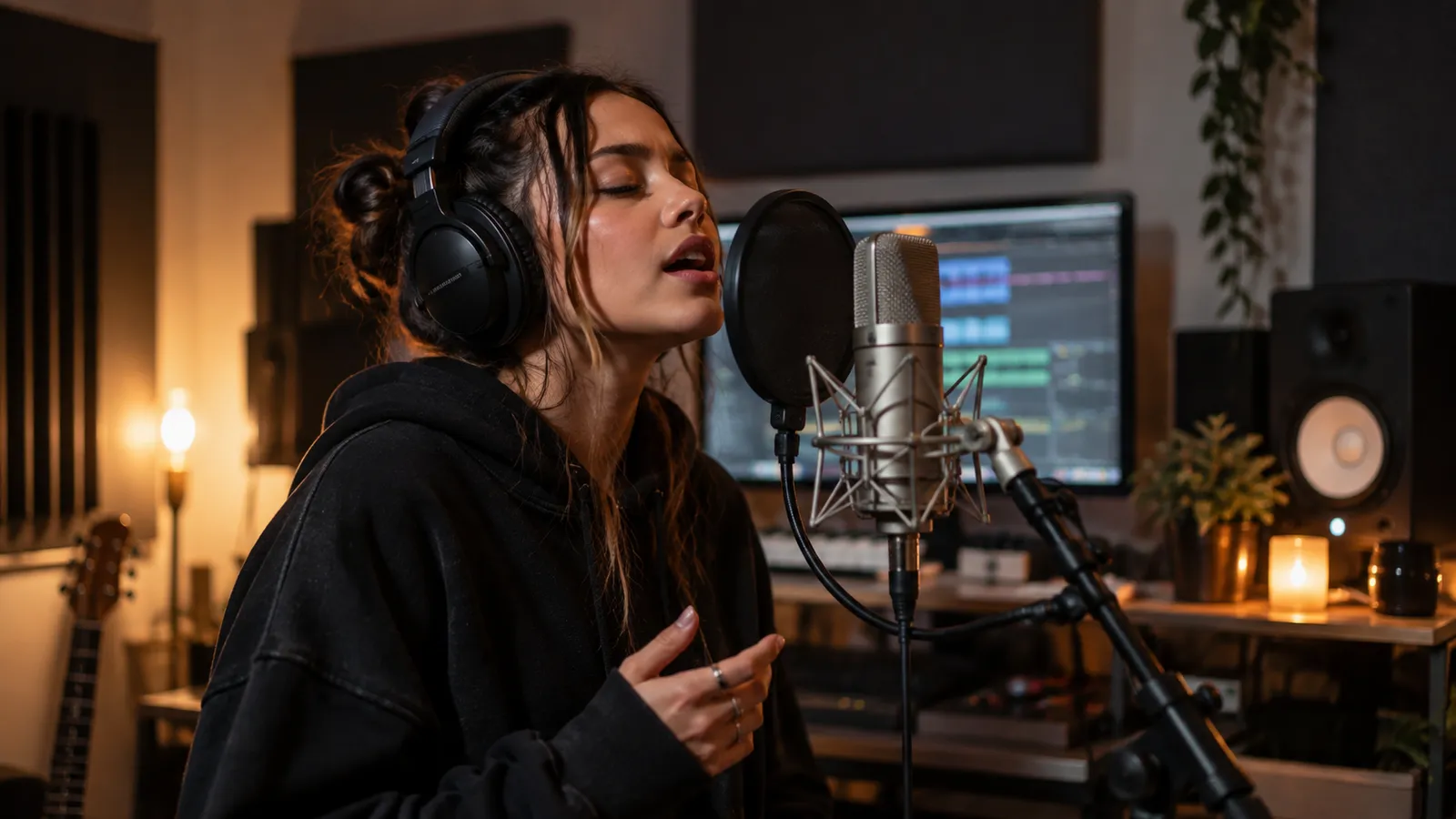
USB and XLR choices for vocals, demos, content and home recording.
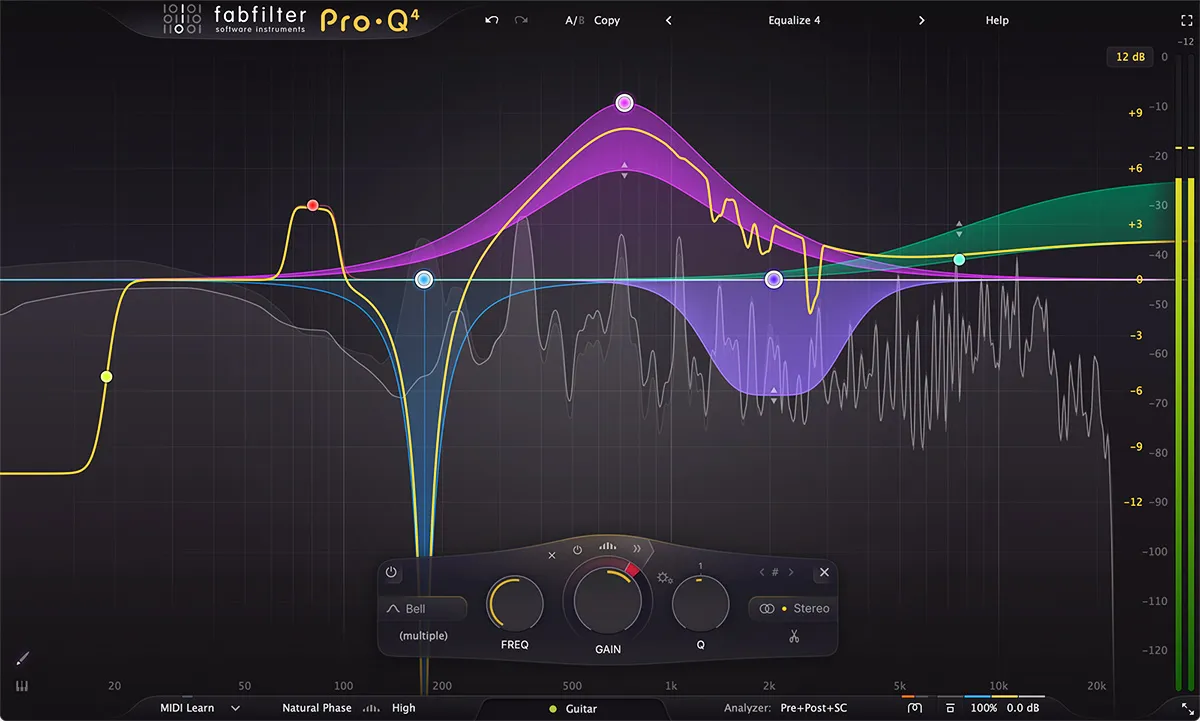
Synths, EQ, compression, mastering, reverb and creative effects worth considering.
This is how producers actually buy: not by specs first, but by the job the setup needs to do.
Get the essentials without wasting money on gear that looks exciting but does not help you finish tracks.
Build a starter studioStart with headphones, monitor placement, room reality and reference habits before buying a bigger speaker.
Headphones vs monitorsBuild a sensible signal chain: mic choice, interface, closed-back headphones, pop filter and room control.
Vocal gear routePrioritise monitoring, MIDI control, sound design tools and a reliable low-latency interface.
Electronic production routeChoose smaller monitors, better headphones and smart placement before creating low-end chaos.
Small-room monitorsA good starter setup is not about owning everything. It is about removing the biggest bottleneck in your actual workflow.
Adapters, cables, stands, pop filters, USB hubs, isolation pads and cheap fixes that tidy the studio.
Budget essentialsEntry-level interfaces, closed-back headphones and compact MIDI controllers that can last beyond the first year.
Interface routeInterface, headphones, MIDI controller, mic basics and smart accessories without overbuying monitors too early.
Build the 500 setupMove into better monitoring, stronger controllers, more reliable recording and a cleaner daily workflow.
Plan the upgrade pathThese are practical starting points for different jobs. Read the review or guide before buying, because the best choice depends on your room, DAW and recording needs.

Reliable two-input setup for vocals, guitar, synths and monitors.

Transparent interface with strong metering and excellent audio performance.

Comfortable closed-back headphones for recording, writing and long sessions.

Disciplined monitoring when your room cannot handle larger low-end energy.

A polished small controller with a strong creative software bundle.

Fast, visual EQ for correction, tone shaping and advanced mix decisions.
Producer Hub’s advice is deliberately staged. Beginners need reliability and clear routing. Intermediate producers need monitoring confidence and workflow speed. Advanced producers need fewer bottlenecks, better translation and more intentional tool choices.
Stage 2 sets up the structure. The next content sprint should add proper comparison pages around the products people are already deciding between.
Ease of use and bundles versus metering and technical performance.
Open comparisonTracking comfort and isolation versus energetic all-round production use.
Open comparisonBeginner-safe recording workflow versus SSL 4K colour and console-style character.
Open comparisonCreative software ecosystem versus compact beatmaking pads and portability.
Start with MiniLab reviewEvery recommendation should tell readers what the product is for, who should skip it and whether the page is hands-on, editorial research, a buying guide or a comparison.
Used or tested in a real music-production workflow. Use this label only where that is true.
Based on official product documentation, specifications, UK pricing, compatibility and suitability for home studios. This is not described as a hands-on test.
Multiple options compared by budget, use case, workflow and whether they solve a real producer problem.
Two or more products judged against the exact decision a buyer is trying to make.
The foundation of your home studio — choose wisely.
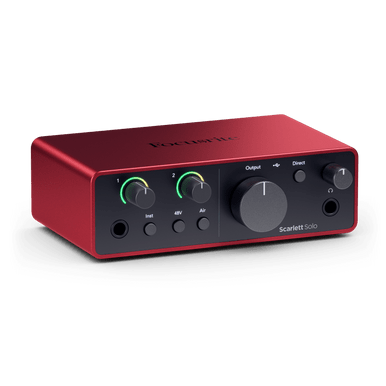
The Solo packs Focusrite's 4th Gen preamp excellence into the most affordable Scarlett yet, with Auto Gain and Clip Safe. Perfect for solo artists and podcasters who record one source at a time.
The world's most popular audio interface just got better — Auto Gain, Clip Safe, and a 112dB dynamic range make the 4th Gen 2i2 the definitive beginner studio interface.
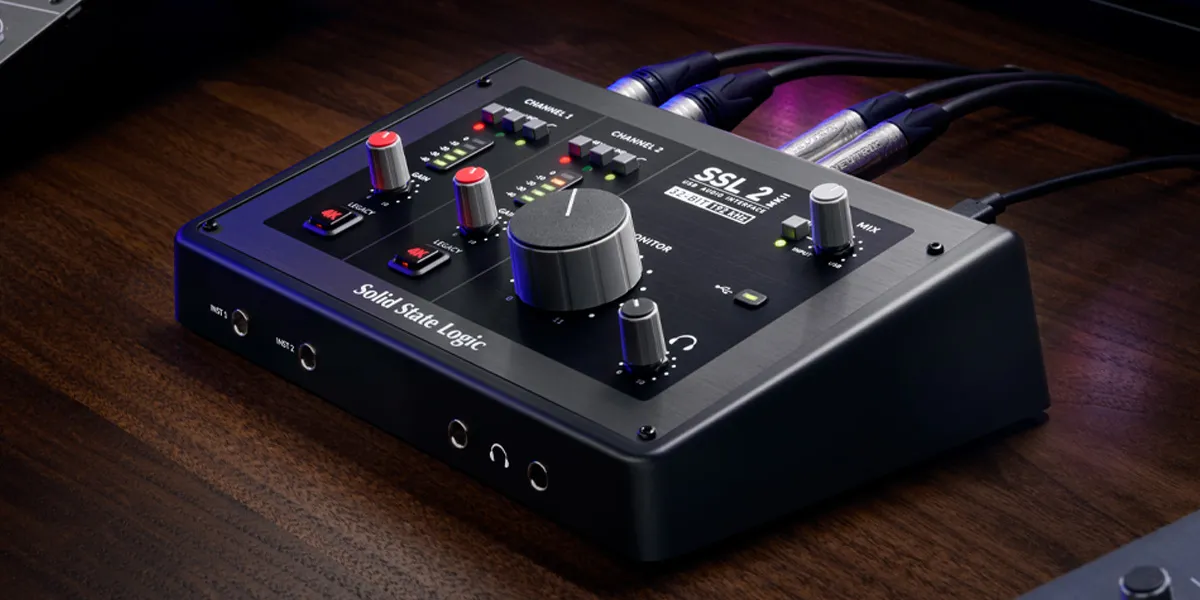
SSL's legendary 4K Legacy Mode adds genuine console character to every recording. The MIDI I/O and dual headphone outputs make it a step above at a similar price.
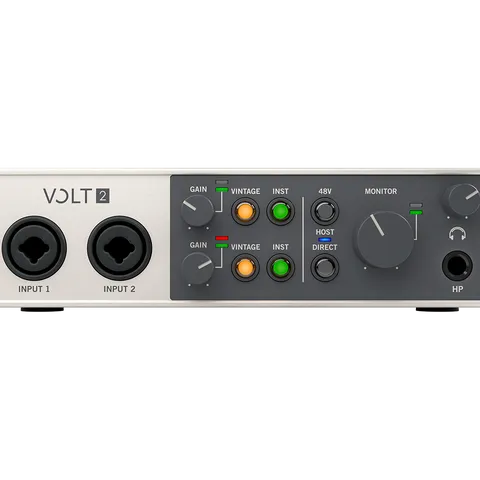
UA brings Vintage mode warmth and a 76-style compressor to under £180. The all-metal build and genuine analogue character make it the most interesting interface at this price.
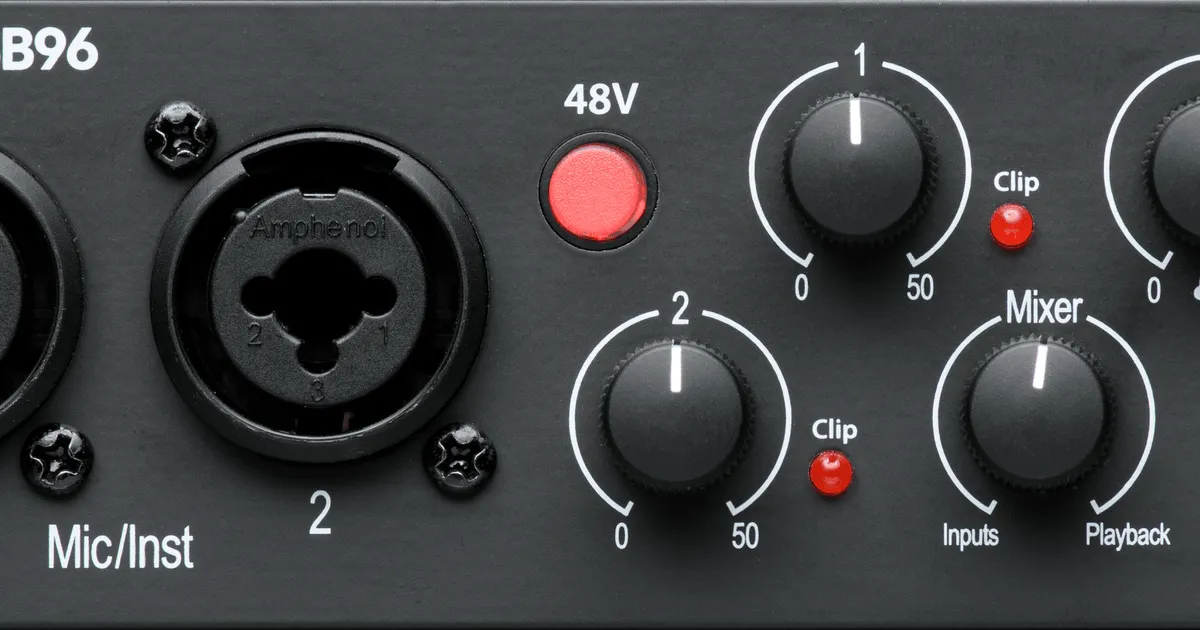
The AudioBox 96 bundles the full Studio One Artist DAW — making it exceptional total value for beginners who need both an interface and a professional DAW.
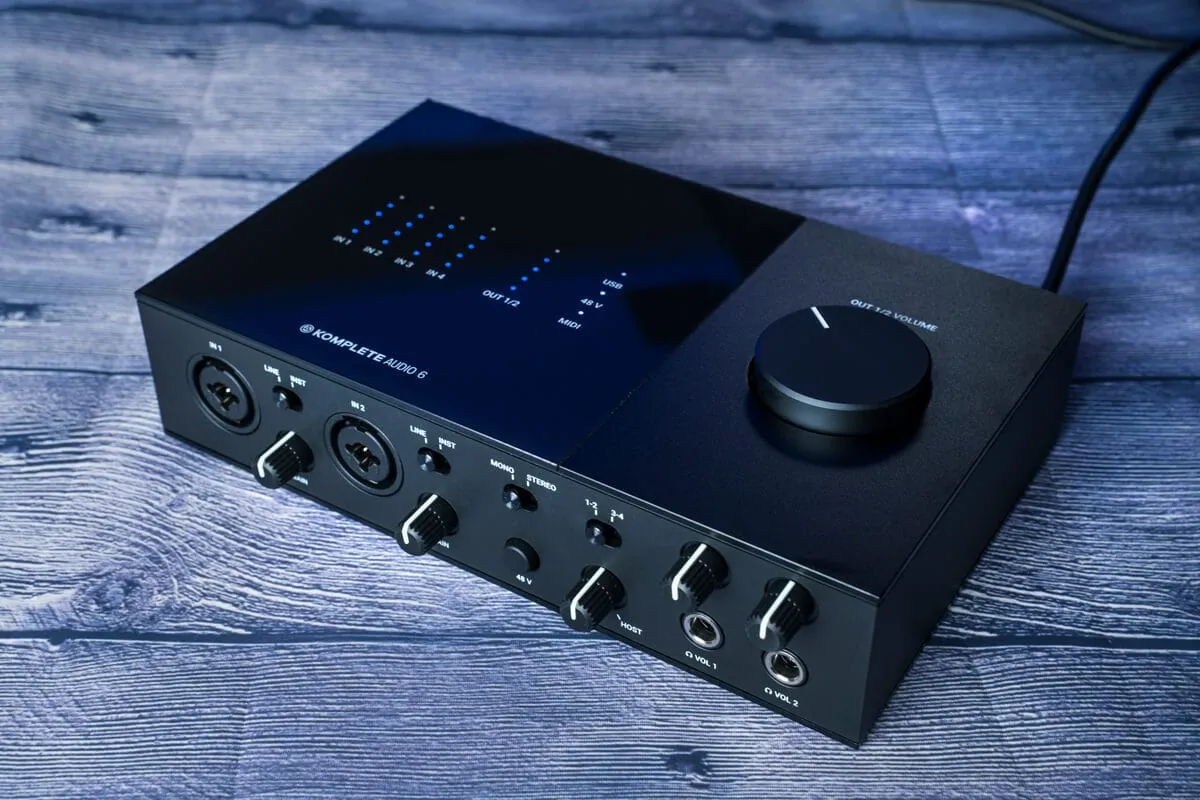
Six inputs, MIDI I/O, S/PDIF, and 114dB dynamic range — the KA6 Mk2 is the most connected interface in its price class, ideal for complex multi-source studio setups.
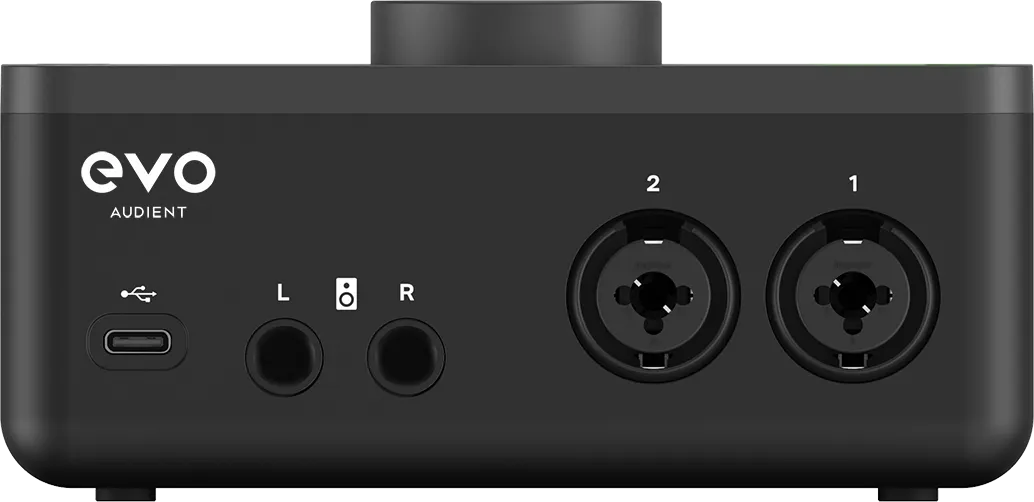
Audient's console-grade preamp technology for under £80 is a remarkable achievement. The Smart Gain feature makes setting levels effortless for beginners.
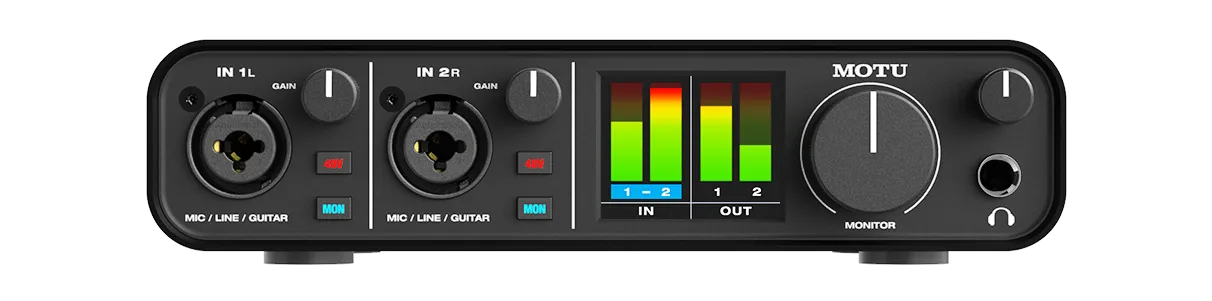
The MOTU M2's 120dB dynamic range and full-colour LCD display make it the most technically impressive interface under £200. The audiophile choice for producers who demand accuracy.
The most affordable usable audio interface available. The preamps are functional rather than impressive, but at £49 it gets beginners started without breaking the bank.
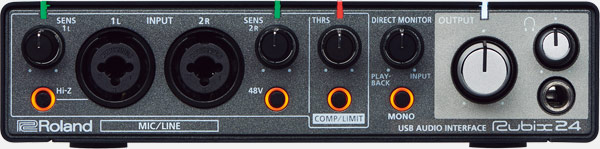
Four balanced outputs and Hi-Z instrument inputs set the Rubix24 apart from Focusrite alternatives. The ideal interface for guitarists who need direct recording and dual-monitor connectivity.
Play it in, don't click it in.
The Analog Lab V software bundle gives the MiniLab 3 a strong creative edge for small desks, first setups and portable writing rigs.
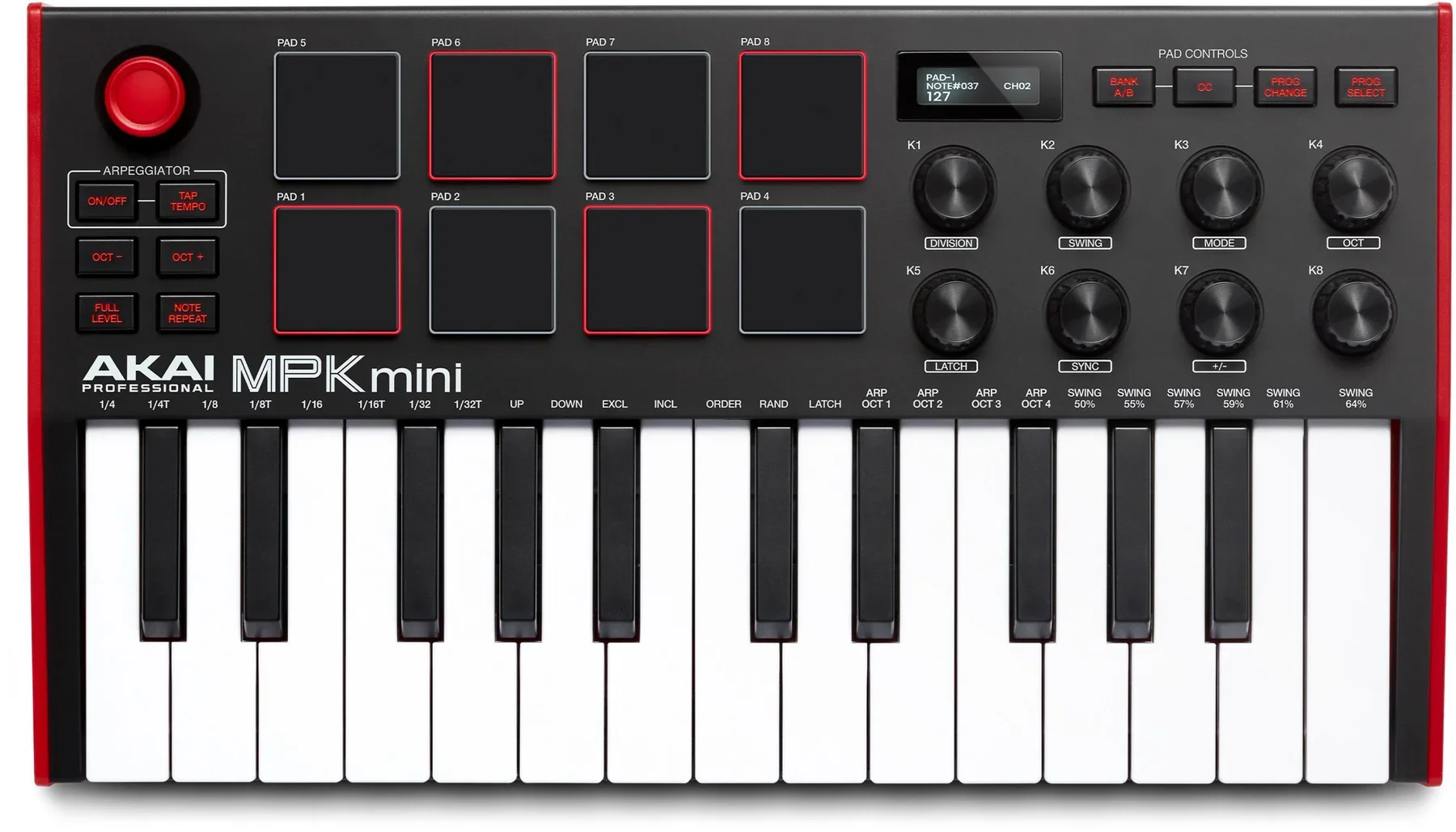
A popular compact controller with a 4-way joystick, 8 MPC pads, an arpeggiator and note repeat in a very small footprint. Best when portability matters more than deep keys.
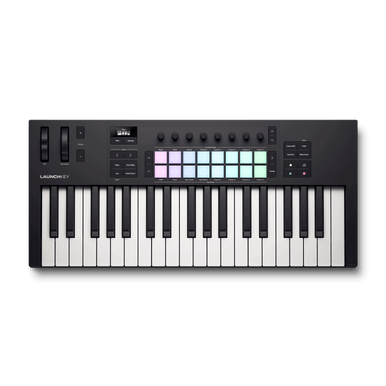
Polyphonic aftertouch on full-size keys gives the Launchkey 37 MK4 a useful expressive edge, especially for Ableton users who want deeper session and device control.
49 full-size keys, 9 faders, 9 knobs, and Analog Lab V — the most complete production package in its price bracket. Excellent for Logic and Cubase users who want full DAW control.
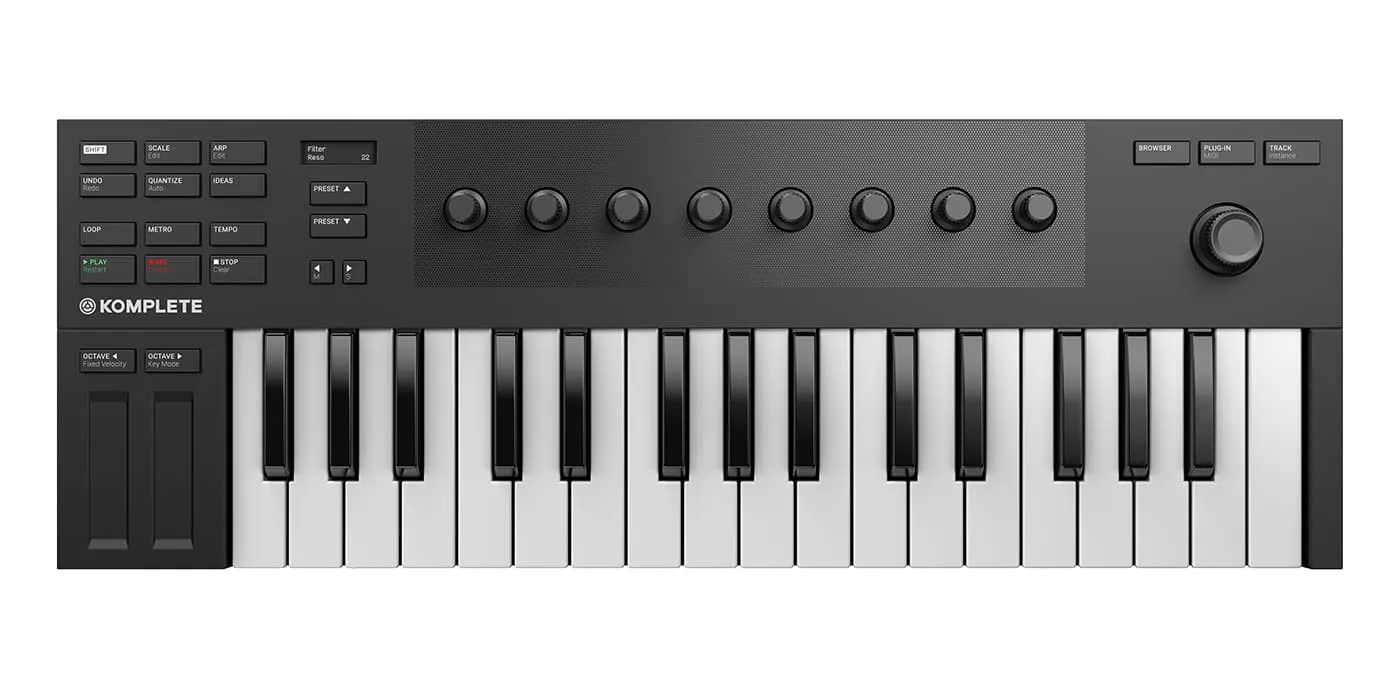
Light Guide per-key RGB illumination and NKS integration make the M32 the ideal compact controller for Native Instruments users. Scale, Chord, and Arpeggio modes help non-musicians too.
A next-generation Ableton Live controller with 64 expressive pads (poly aftertouch), eight touch strips and a built-in step sequencer.
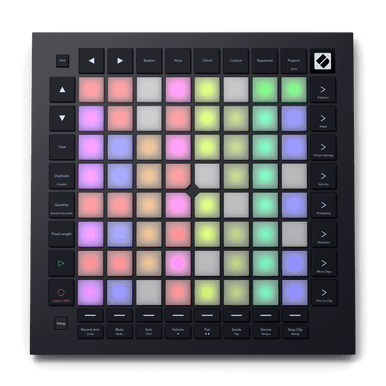
64 pads, polyphonic aftertouch and standalone MIDI make the Launchpad Pro Mk3 a serious pad controller for Ableton and hardware workflows.
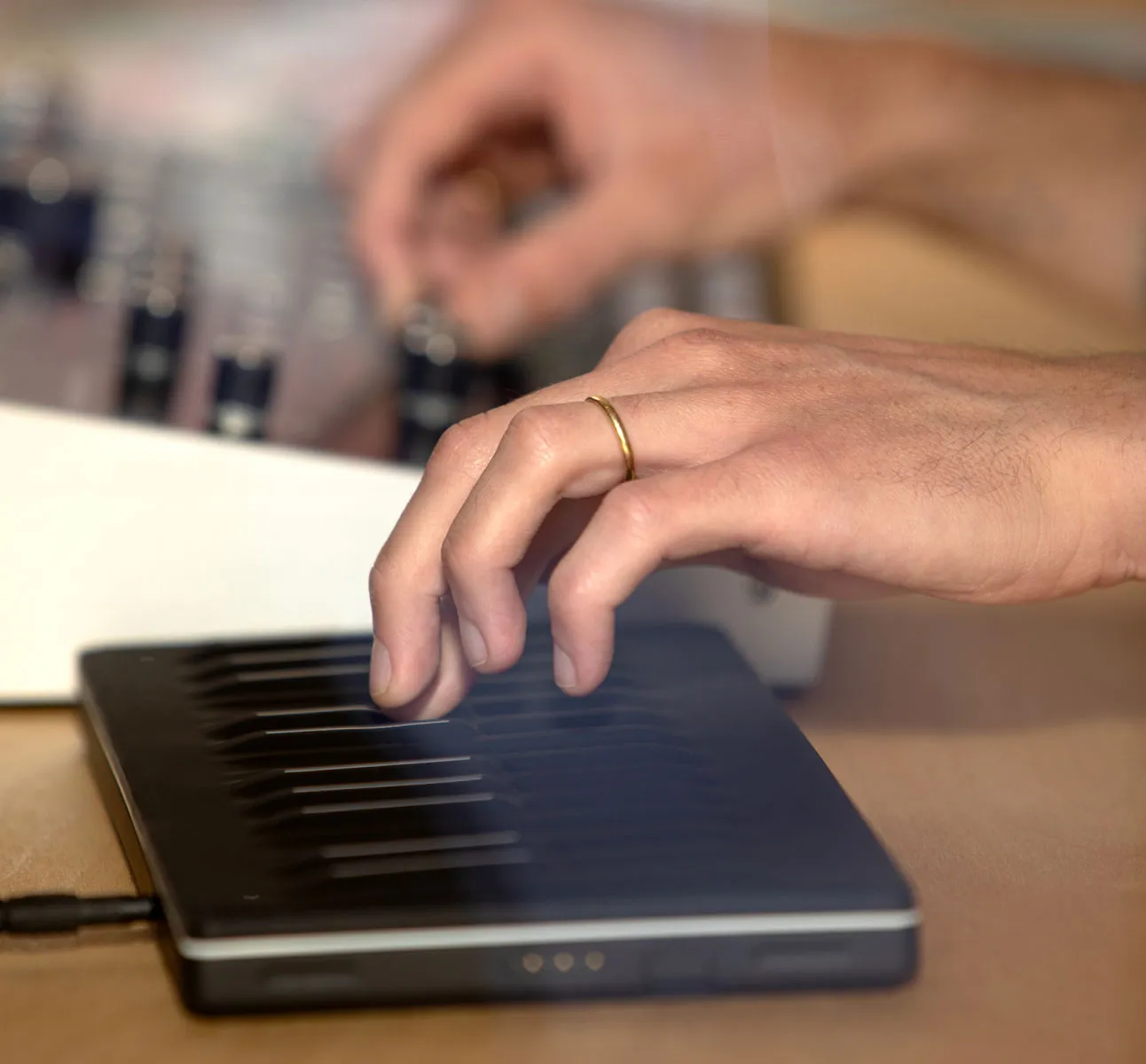
A 49-key MPE controller with a soft, touch-responsive surface — pitch, vibrato and dynamics directly from the keys.
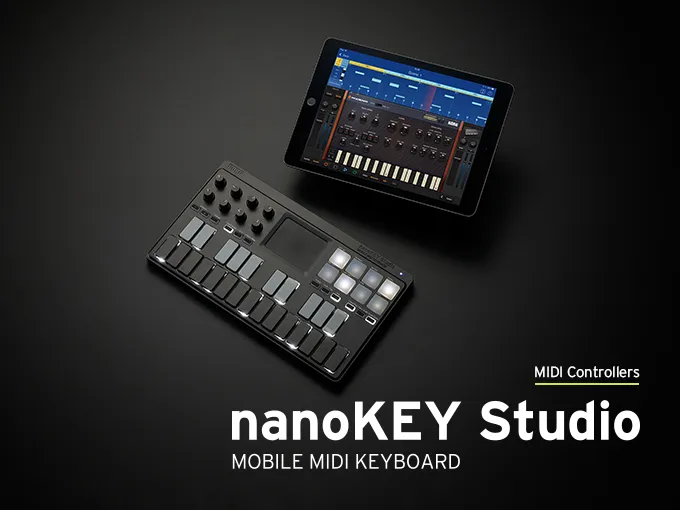
Wireless Bluetooth connectivity makes the nanoKEY Studio uniquely suited to cable-free iOS production. The ideal companion for iPad-based mobile studio setups.
49 full-size keys with automatic DAW integration across most major DAWs — an affordable full-size controller with genuine mixing control.
Hear the truth. Mix for any system.
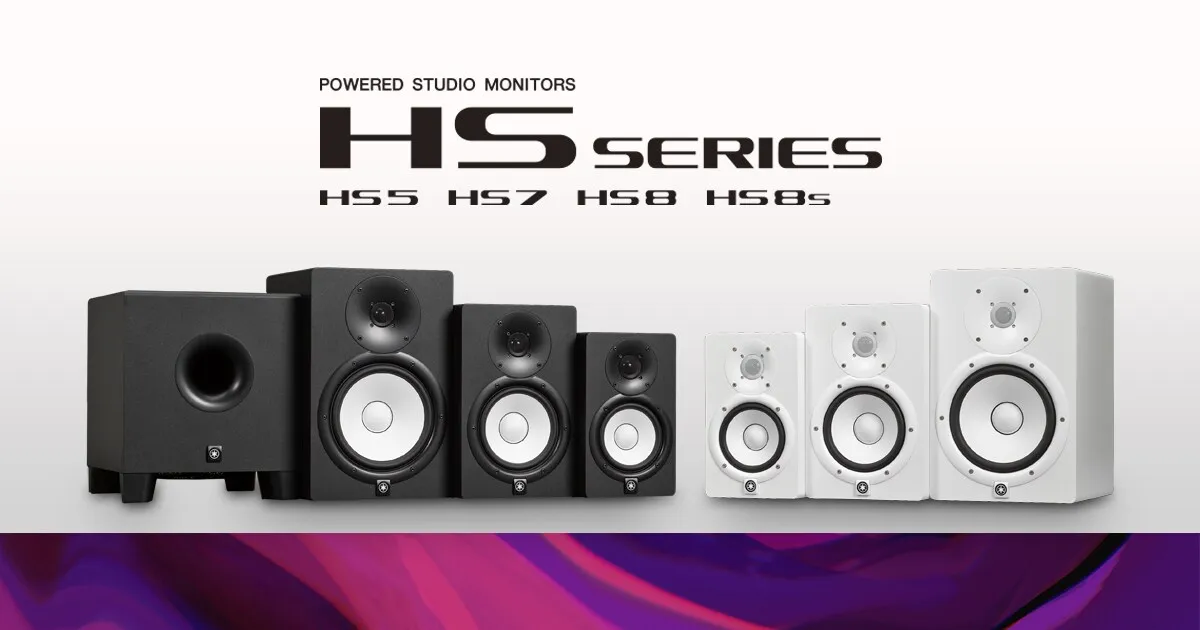
The compact HS5 brings the legendary Yamaha flat response to small studios. Its honest, accurate monitoring ensures mixes translate reliably across every playback system.
The HS8 is the industry standard for mix translation — 38Hz bass extension and a flat response that forces honest mix decisions. The most reliable studio monitor investment at this price.
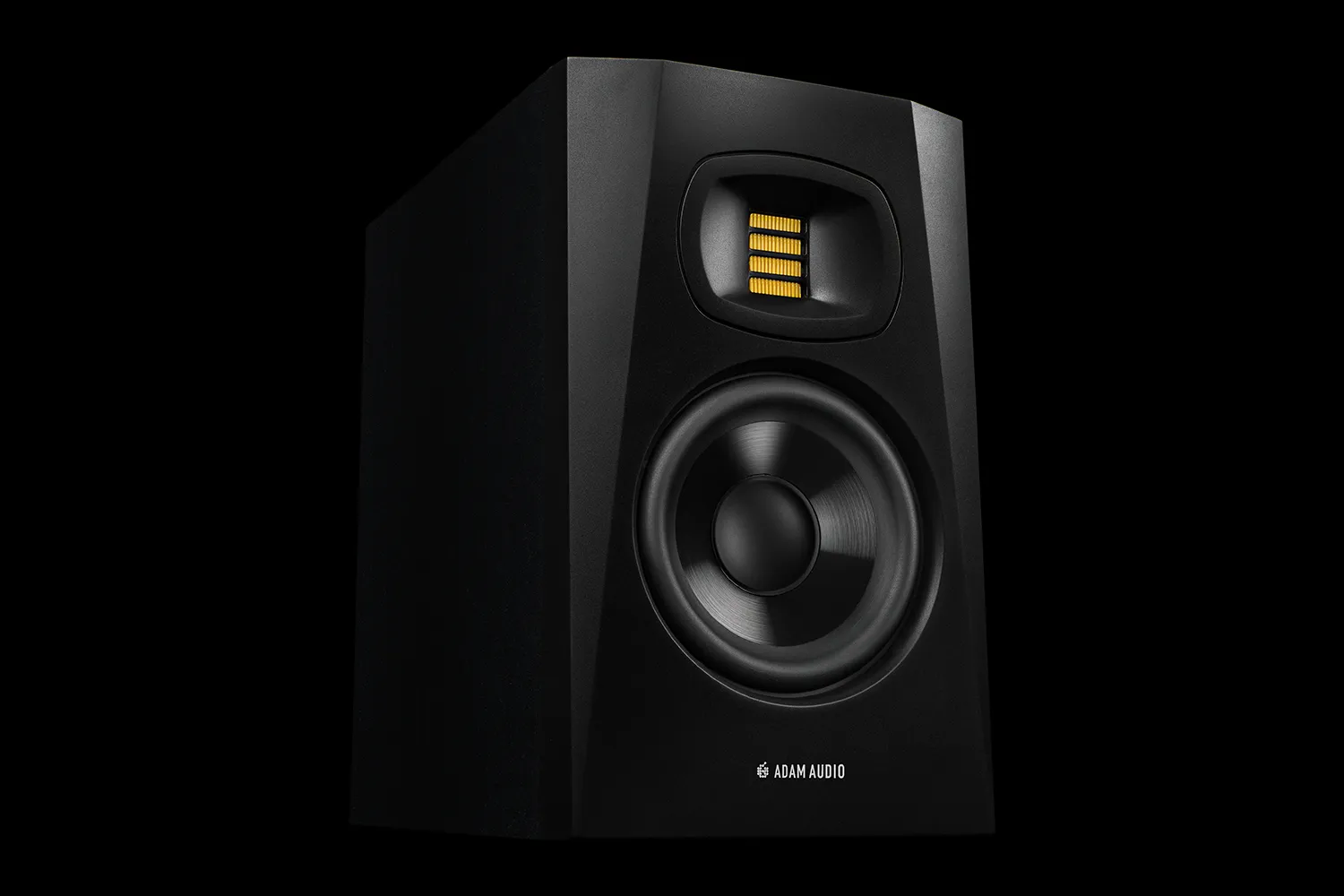
Adam Audio's ribbon tweeter brings exceptional high-frequency detail to an affordable 5" monitor. The T5V reveals stereo width, cymbal clarity, and reverb tails that dome-tweeter monitors miss.
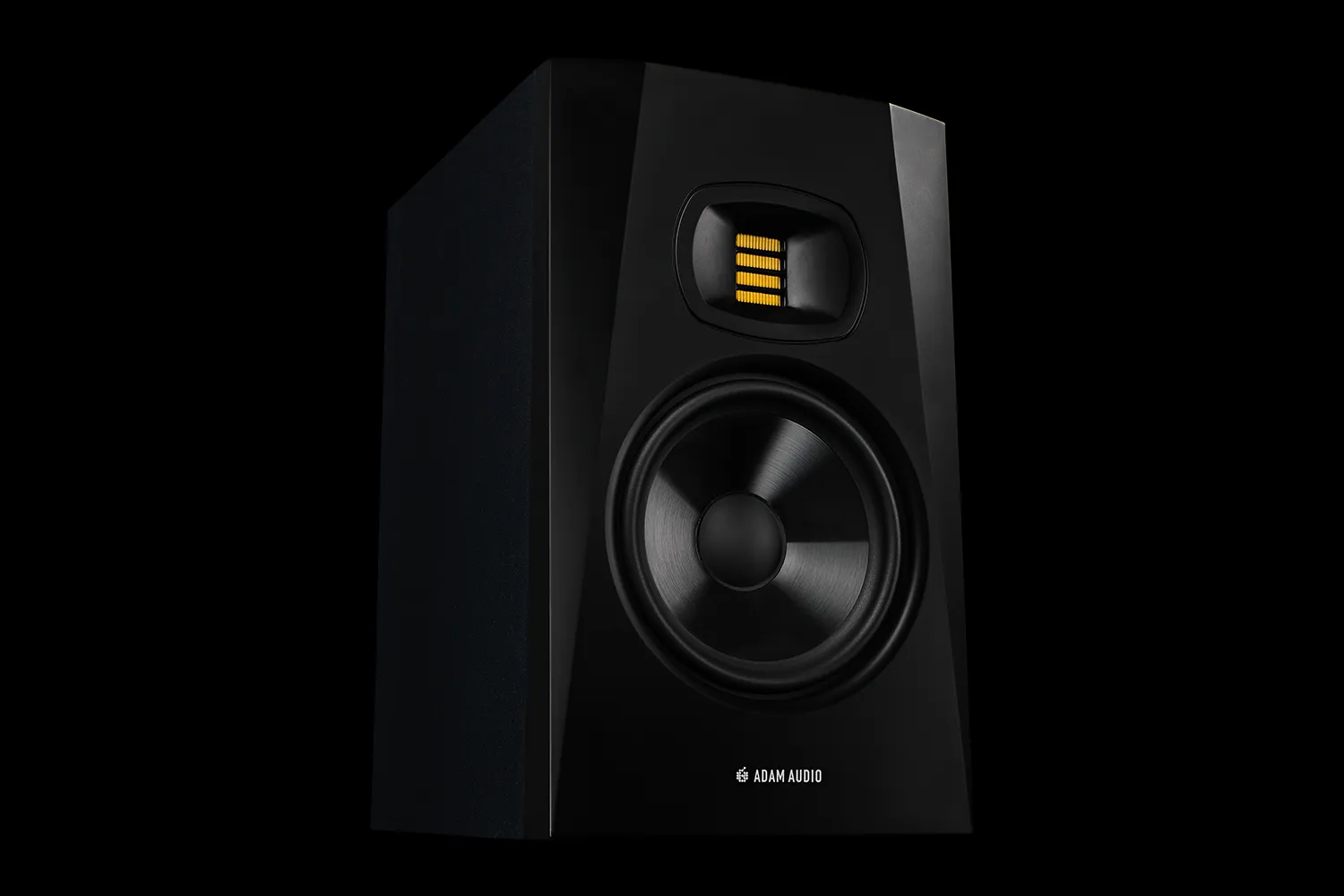
The T7V adds significant bass extension to the T5V's ribbon tweeter excellence. The ideal choice for producers who need high-frequency detail and low-end accuracy from a single monitor.
The built-in 25-band DSP room correction EQ makes the Rokit 5 G4 uniquely adaptable to acoustically challenging rooms. Engaging sound with app-controlled calibration.
The Rokit 8 G4 reaches low for the price and includes built-in DSP correction, but it needs a room that can handle an 8-inch monitor.
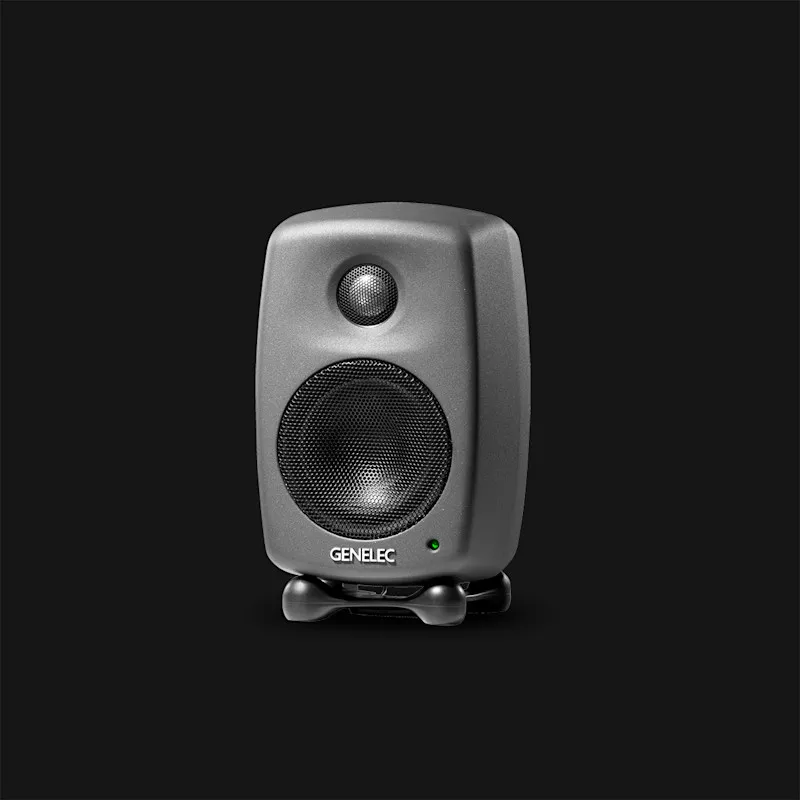
Professional Genelec accuracy in a palm-sized die-cast aluminium cabinet. The 8010A delivers the most precise stereo imaging available in its compact size class.
Focal's inverted dome tweeter and exceptional midrange clarity produce fatigue-free professional monitoring. The monitor of choice for engineers who need hours of accurate listening.
The most affordable studio monitor pair with acoustic tuning controls. The Eris E3.5 offers a genuine step up from consumer desktop speakers at an entry-level price.
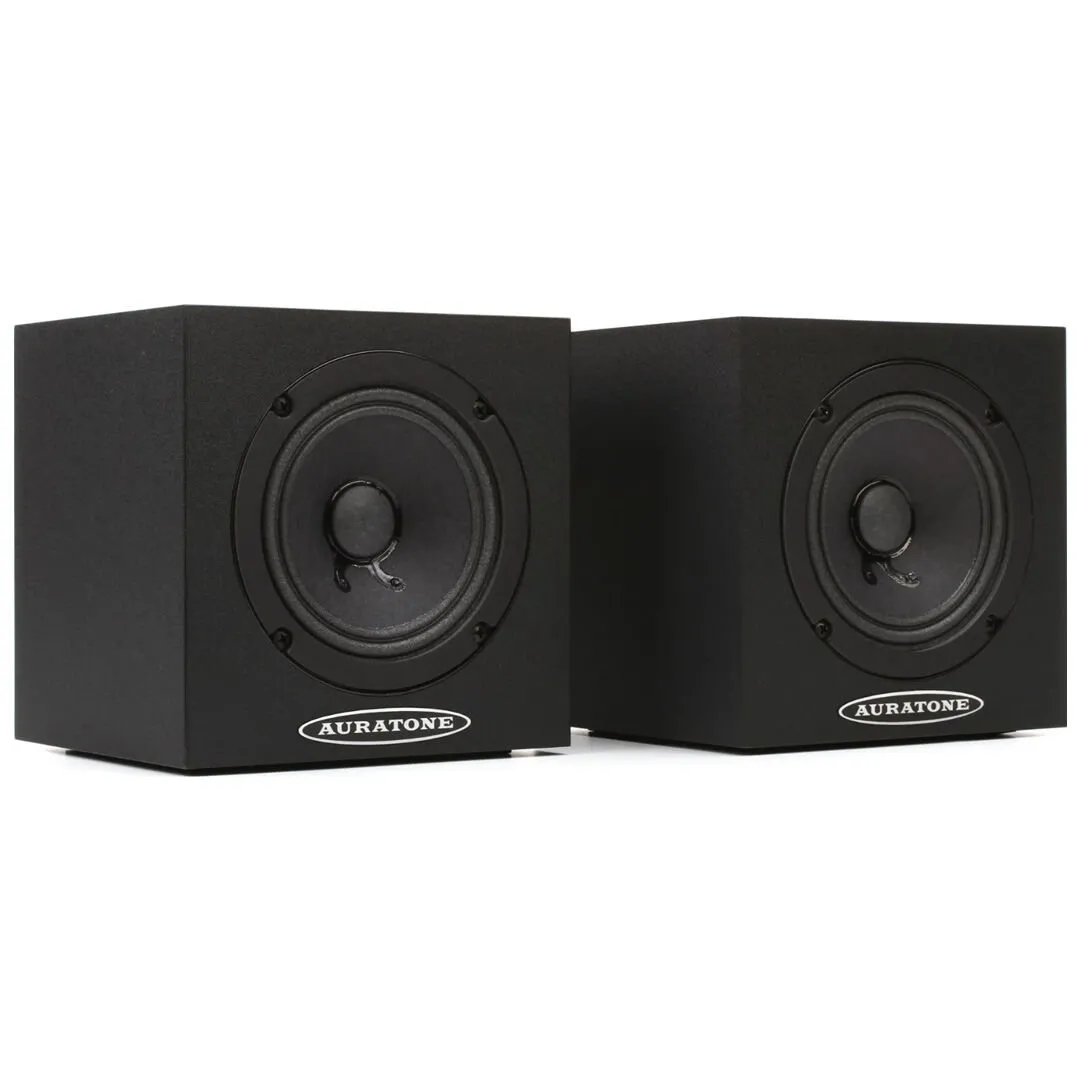
The legendary horror cube used by professional mix engineers to reveal midrange translation problems. If your mix sounds good on the Auratone, it'll sound good on anything.
Mix anywhere, hear everything.
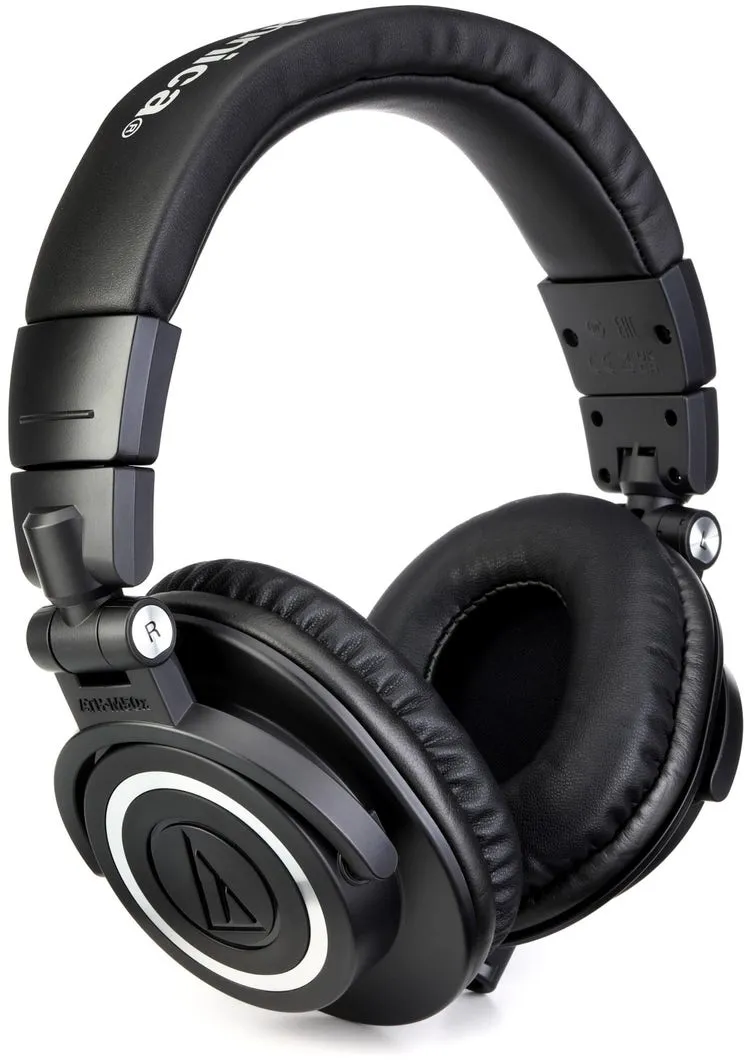
A practical closed-back studio headphone with detachable cables, strong isolation and an energetic sound that suits production, tracking and everyday checks.
Closed-back kings built to last decades — superb isolation, exceptional detail, and German build quality that outperforms rivals at twice the price. The tracking session's best friend.
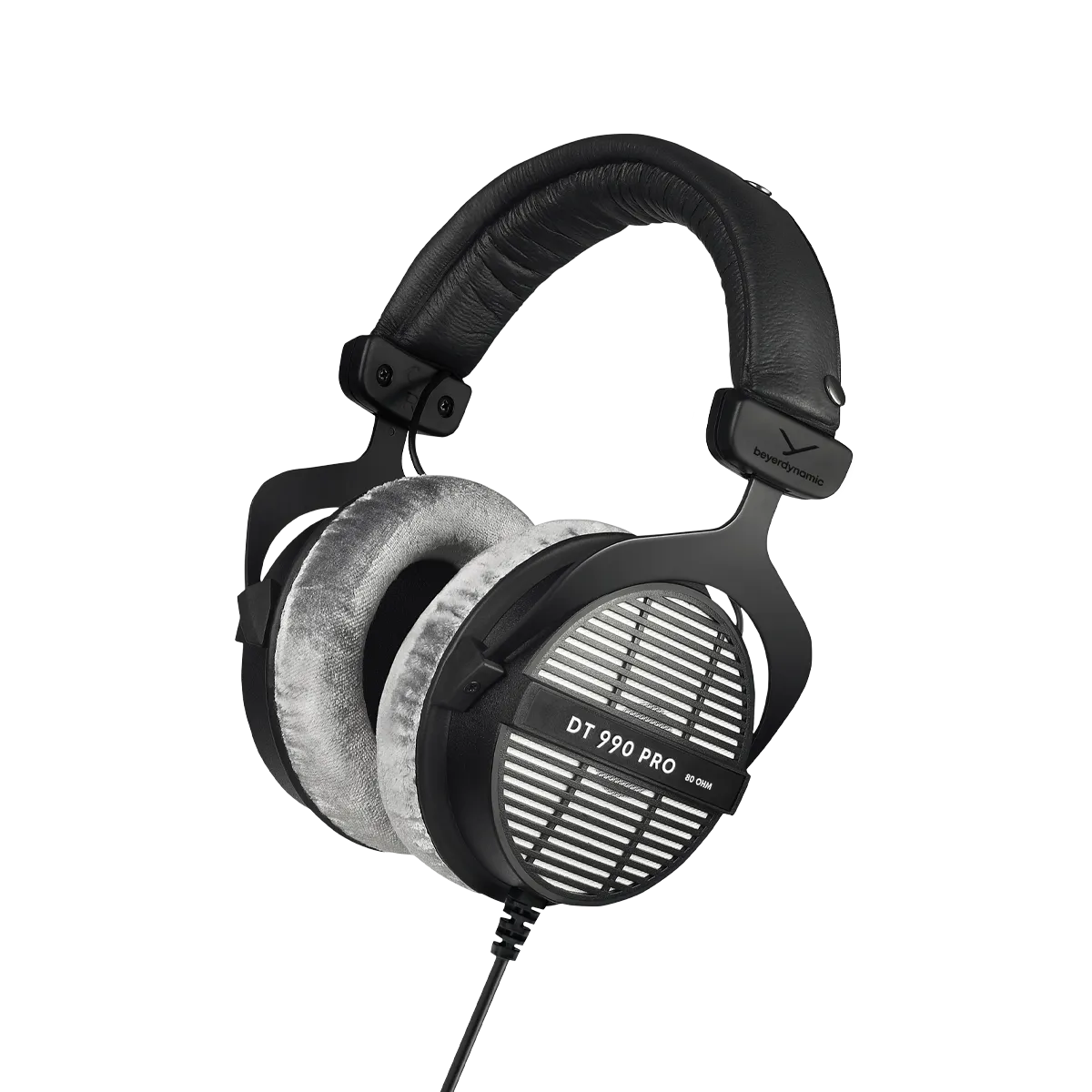
The open-back counterpart to the DT 770 delivers a wide, natural soundstage ideal for mixing. Requires a headphone amplifier to perform at its best, but the results are outstanding.
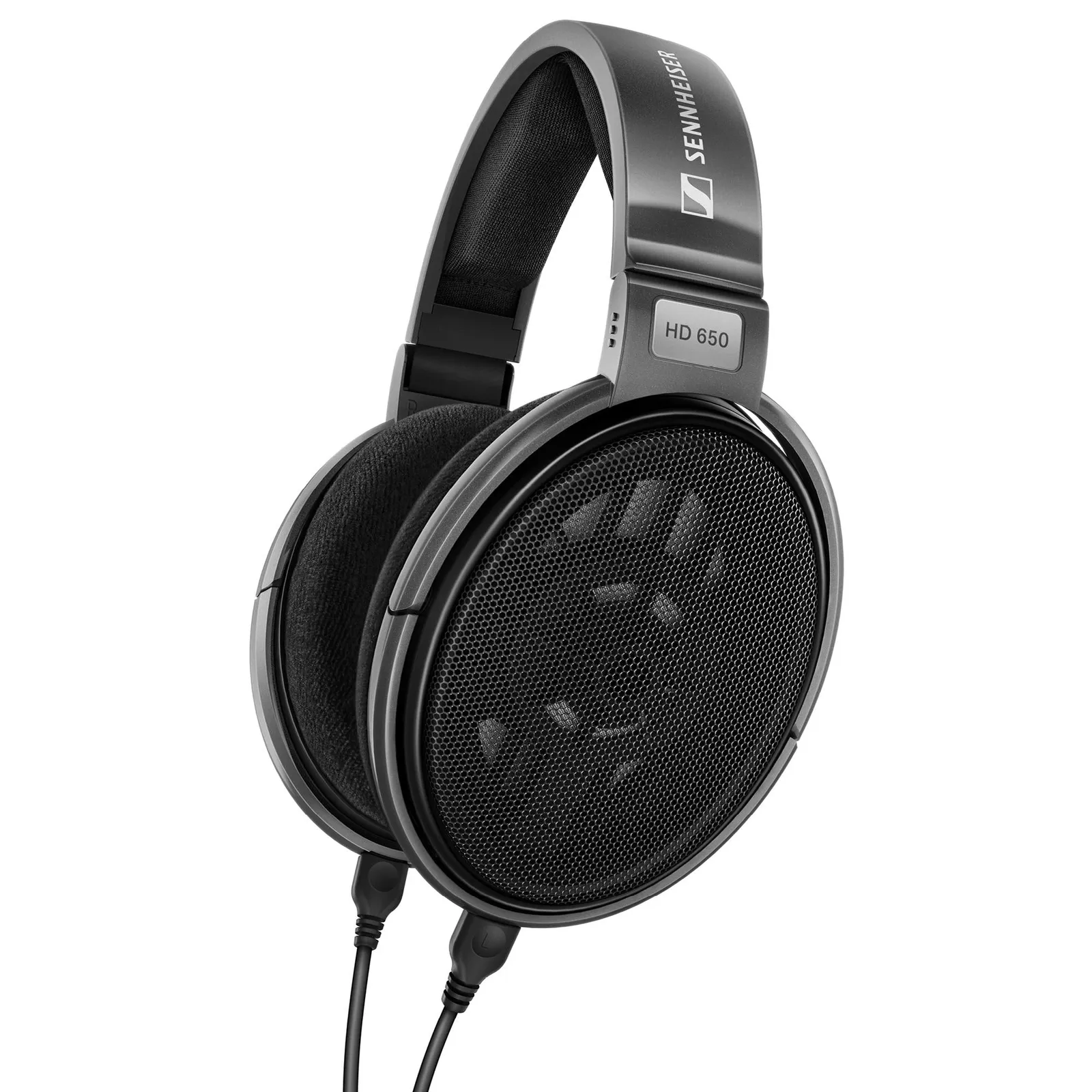
A legendary open-back reference headphone with warm, natural tonality and exceptional imaging. Mixing on the HD 650 is a genuinely luxurious experience that reveals every nuance.
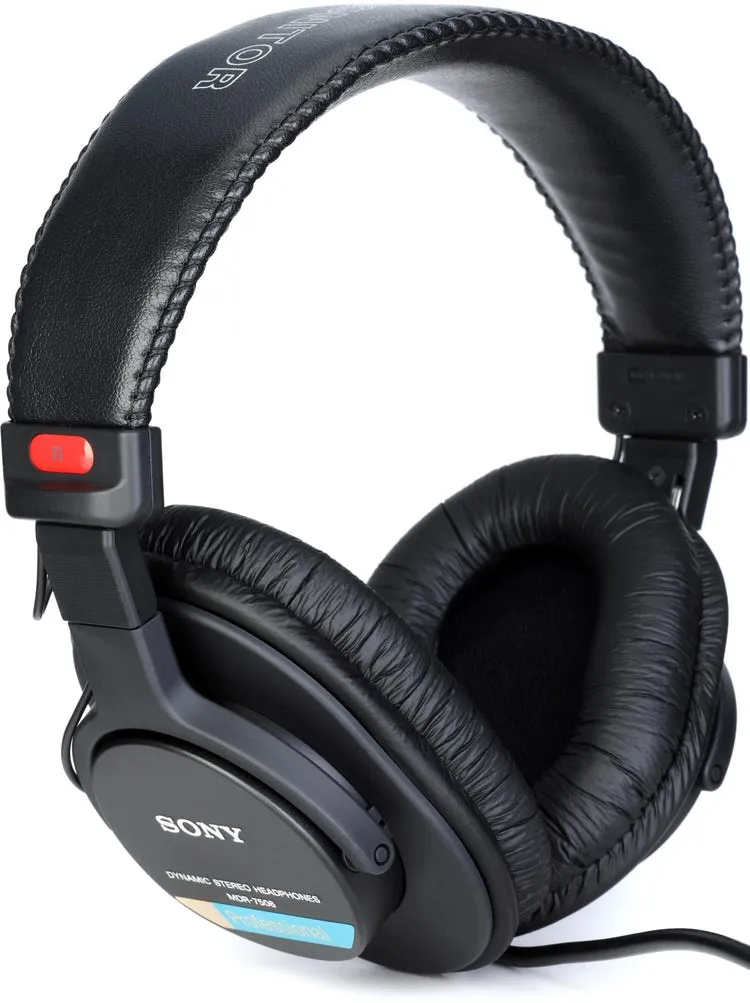
Used in professional studios worldwide for over 30 years — the MDR-7506 is a proven, reliable, and portable studio reference that's become an industry standard.
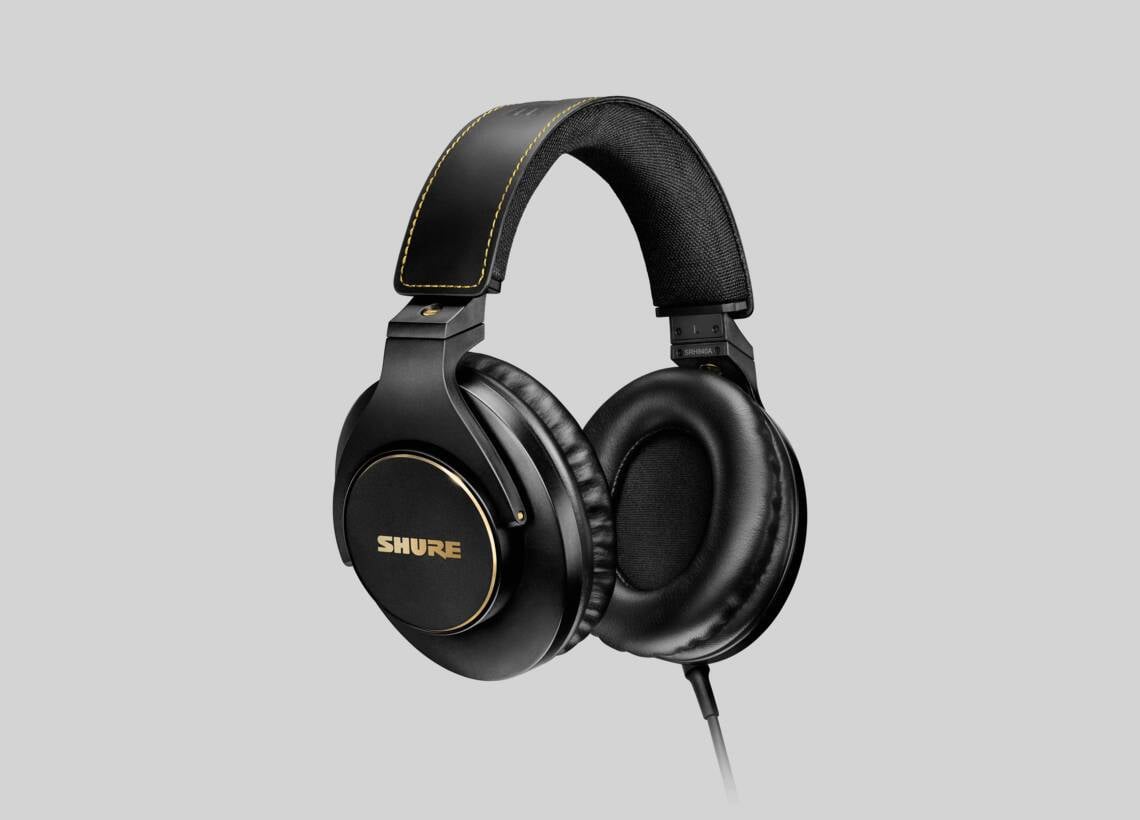
Shure's professional studio headphone delivers a balanced, analytical sound with excellent comfort and both coiled and straight cables included. An underrated alternative to the M50x.
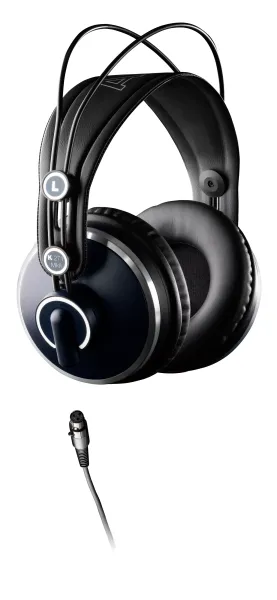
AKG's auto-mute feature silences the headphones when removed from your head — a genuine time-saver during tracking sessions. Accurate, analytical sound with detachable cables.
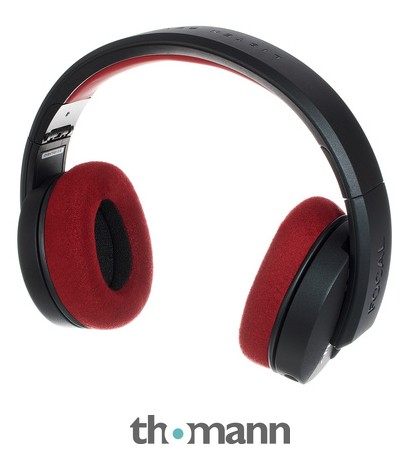
Focal's speaker engineering expertise applied to headphones — exceptional midrange clarity and a wider soundstage than most closed-back designs. Premium monitoring for discerning engineers.
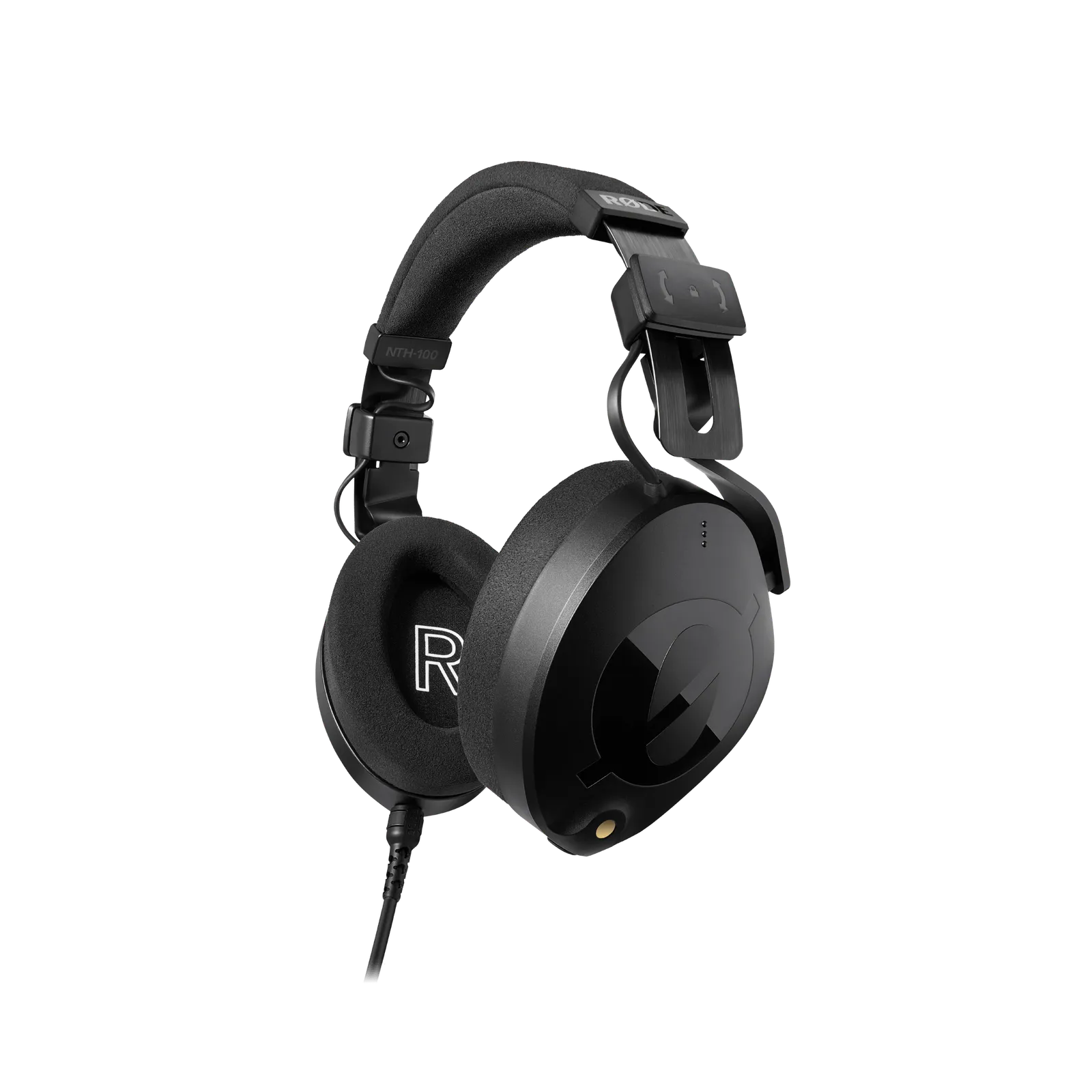
Rode's studio headphone is worth a look if comfort matters and you want a closed-back option that is not another M50x clone.
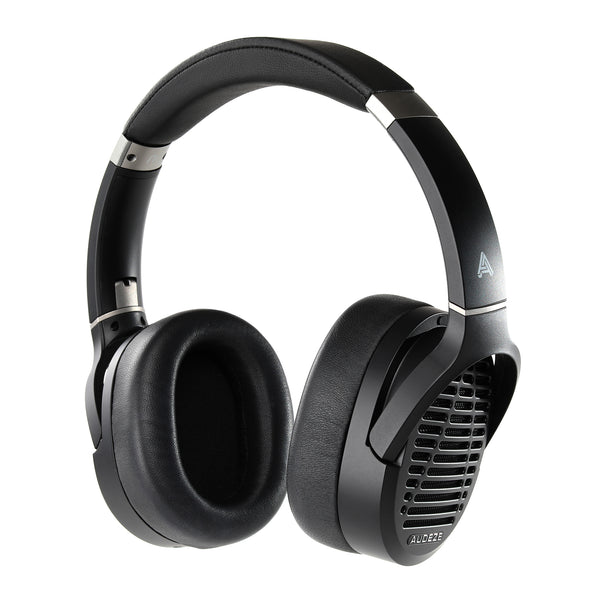
The LCD-1 gives you a planar-style listen in a compact headphone. Useful for detail checks, though the fit and open-back design will not suit every room.
The tools that actually move the needle.
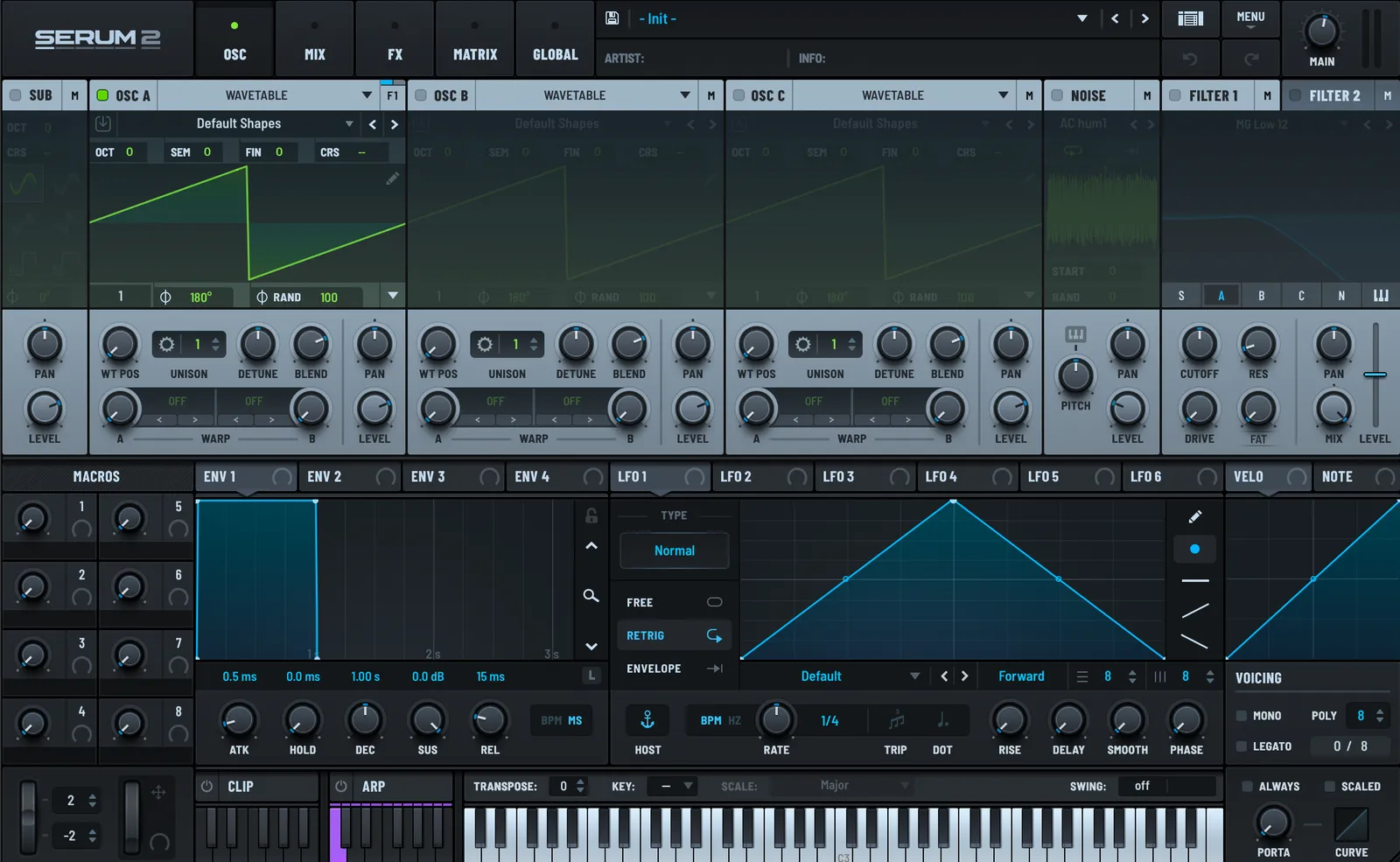
The wavetable synthesiser that defined modern electronic music. Drag-and-drop modulation, custom wavetables, and a massive community of presets make it the universal language of sound design.
Massive X delivers unique dual-oscillator character, deep modulation routing, and savage bass tones that Serum can't replicate. Essential for producers of hard electronic and bass music.
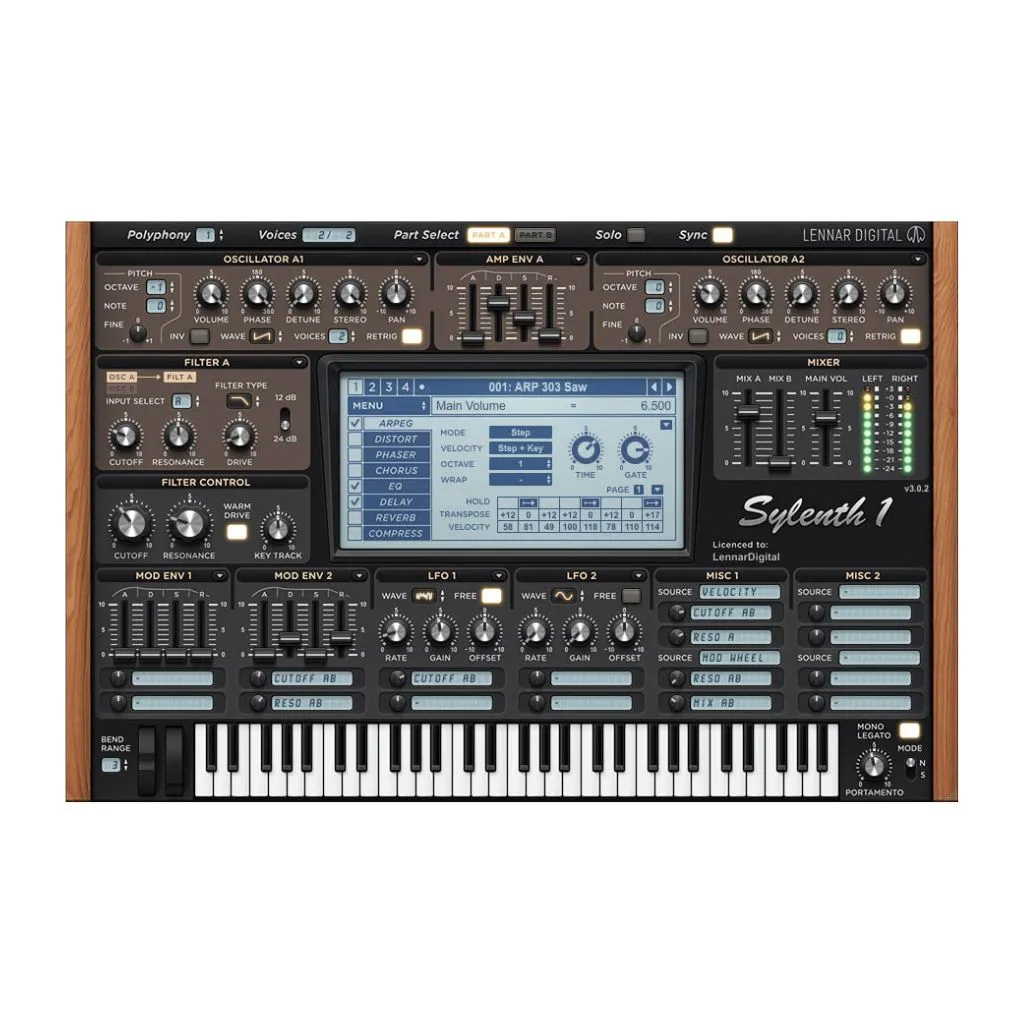
Sylenth1 is old but still quick for trance leads, house stabs and pads. The appeal is how fast it gets to a usable sound.
Pro-Q 4 is expensive, but it is fast, clear and hard to outgrow if you use EQ all day. Stock EQ is still enough for many producers.
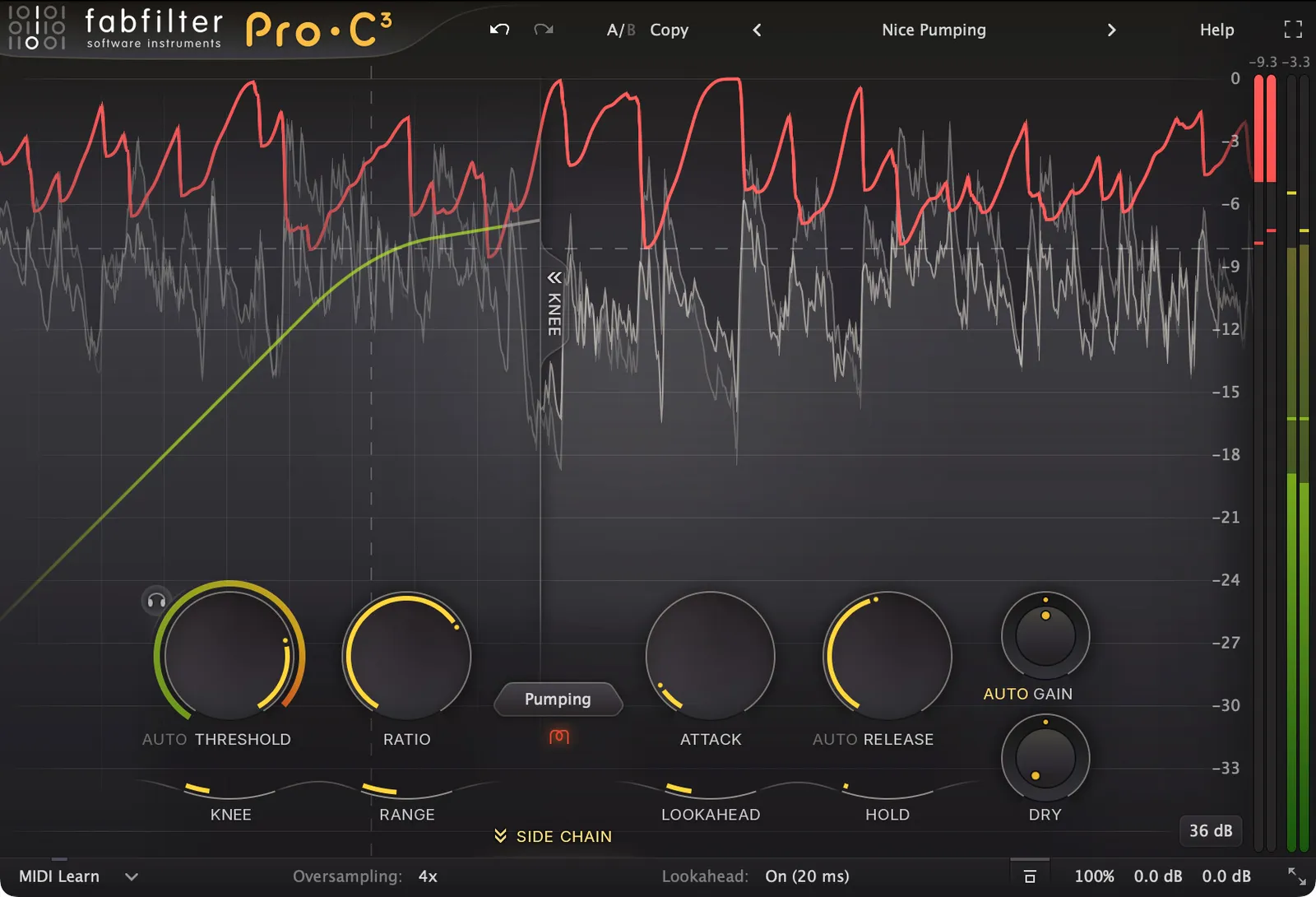
Eight distinct compression styles and a full parametric sidechain EQ make Pro-C 2 the most versatile compressor plugin available. One plugin that handles every compression scenario.
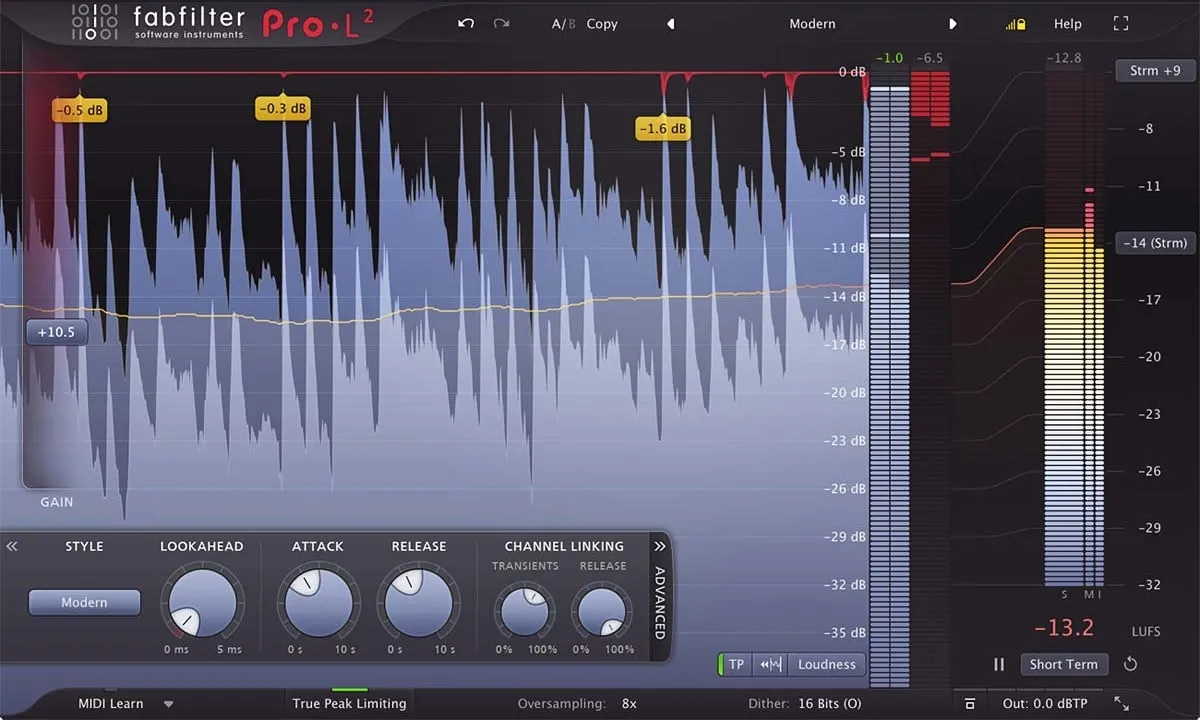
A polished mastering limiter with true peak limiting, multiple algorithms and streaming loudness tools. Best for producers who need reliable final-level control.
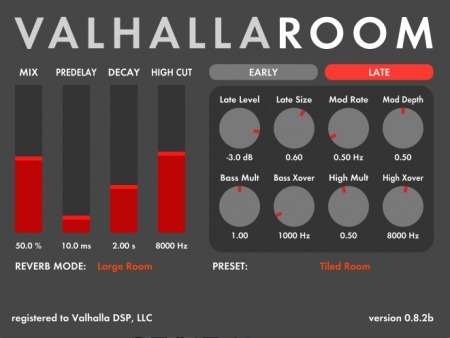
One of the easiest reverb plugins to recommend: smooth spaces, fast setup and strong value for producers who need better ambience than stock reverbs.
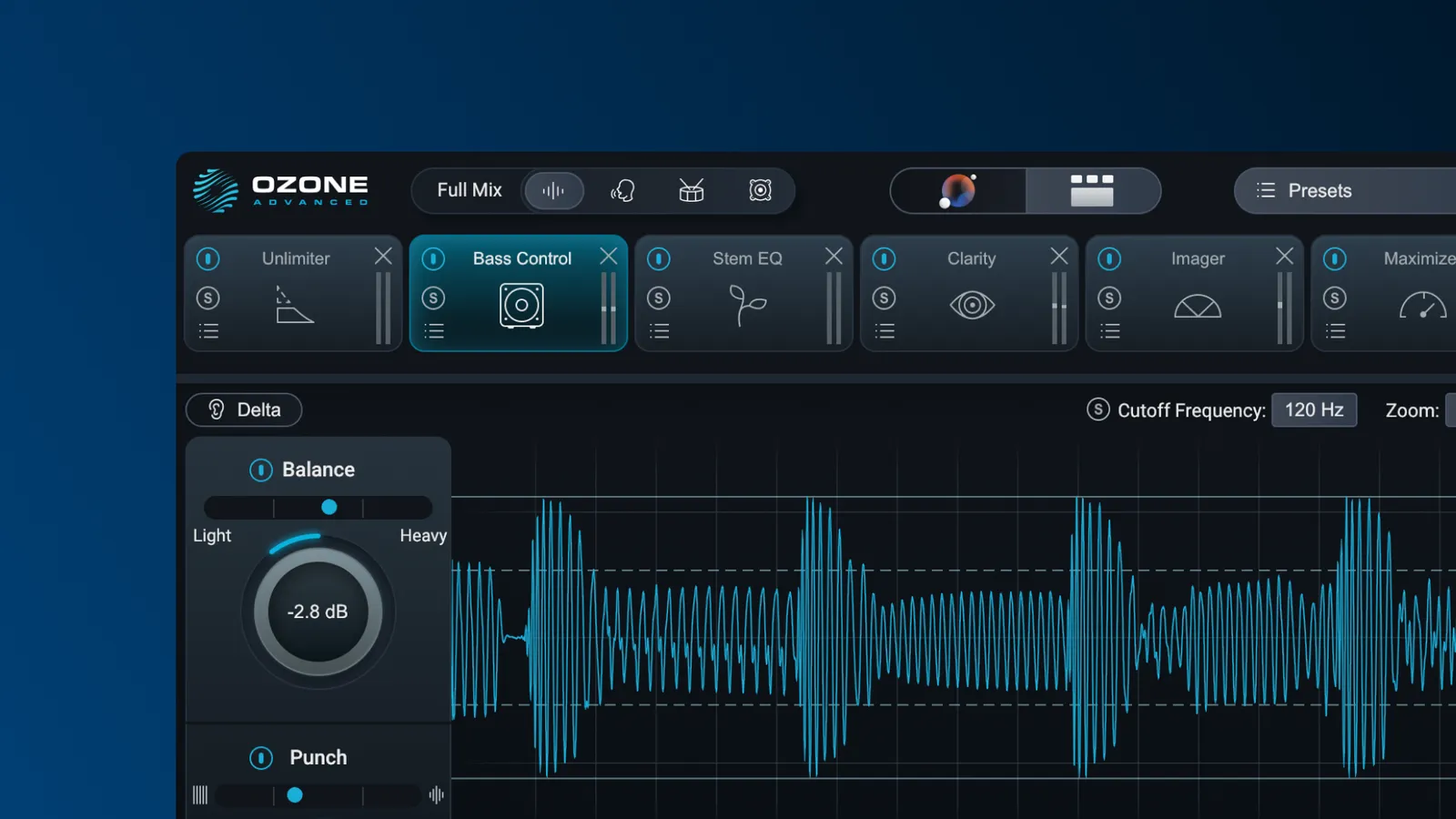
Ozone 11 is useful for checking a master chain and learning the final polish stage, but it will not rescue a weak mix.
Sixteen creative effects plugins including EchoBoy and Decapitator. Best for producers who will use character delays, saturation and modulation across many sessions.
Kontakt 8 matters because so many third-party instruments use it. Buy it for the libraries you need, not because every setup needs it.
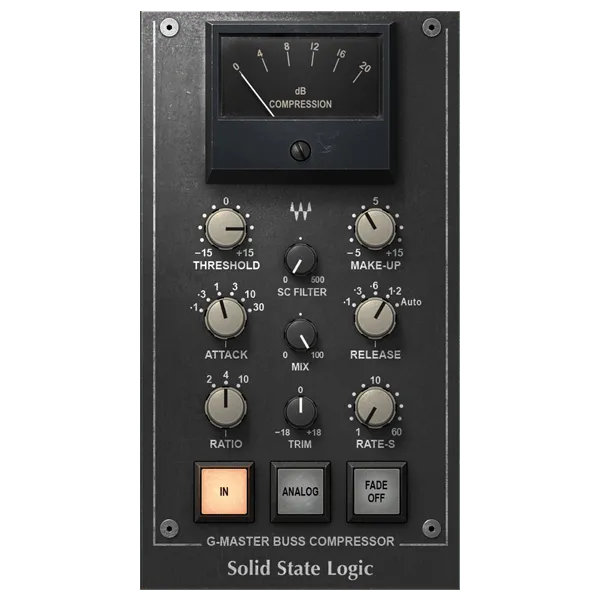
The legendary SSL bus comp that glues a mix together like nothing else. Excellent character on mix bus, drum bus, and bass — often available for under £30 on sale.
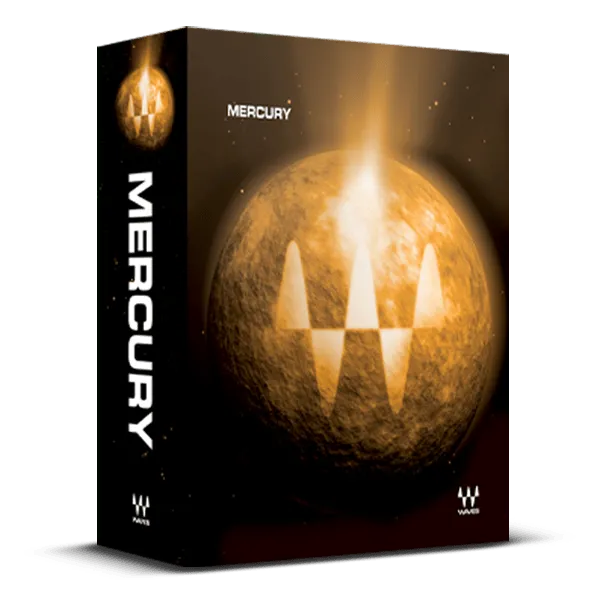
Waves Mercury is huge. That can be useful in a studio, but most bedroom producers should only consider it if they know which tools they will actually open.
World-class European processing from Brainworx, SPL, and Shadow Hills — M/S processing, transient design, and mix bus compression from some of the most respected names in audio.
Get notified when Producer Hub adds new reviews, comparison pages, buying guides and member resources.
We respect your privacy. No spam, ever.
Interfaces, monitors, headphones, MIDI controllers, microphones, plugins and synths — every individual review in one place.
A budget 2-in/2-out interface with clean preamps, stable drivers and headphone output. Focus on gain, latency and monitoring before extra channels or DSP.
Essential for detail and late-night work, but check against monitors or references. Closed-back suits recording; open-back is more natural for mixing in an untreated room.
No — you can write entirely in the piano roll. A small controller helps turn ideas into performed parts, but it's an upgrade, not a requirement.