Affiliate disclosure: Some retailer links may earn Producer Hub a commission at no extra cost to you. Headphone recommendations are based on fit, isolation, comfort, workflow, official specifications and suitability for home production.
Quick answer
Most beginners should start with closed-back headphones. Pick the Beyerdynamic DT 770 Pro if comfort and isolation matter most, the Audio-Technica ATH-M50x if you want a punchy all-rounder with detachable cables, or the Sony MDR-7506 if you want a classic editing/tracking headphone that exposes detail quickly.
Producer Hub headphone shortlist
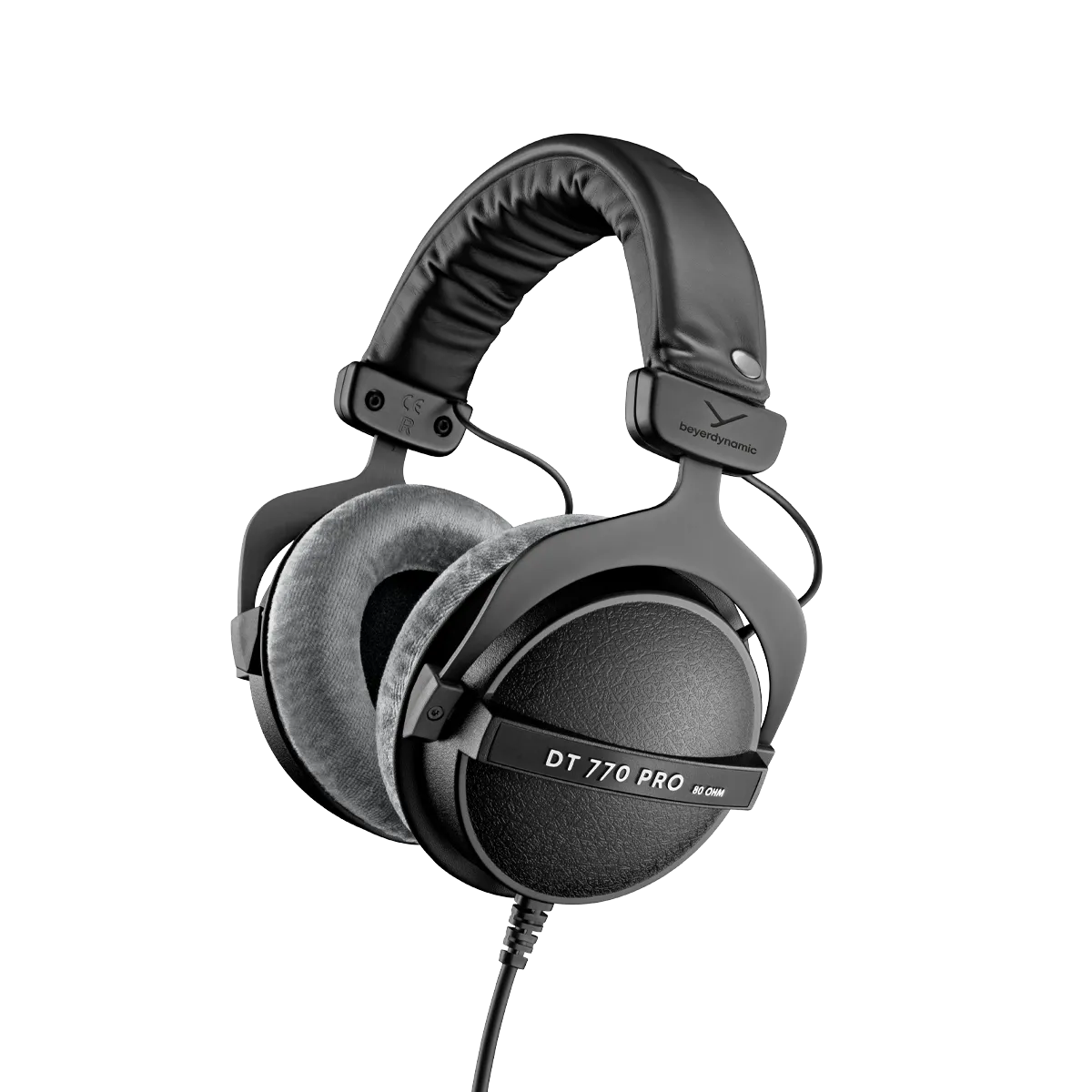
Beyerdynamic DT 770 Pro
Best for: comfort, tracking and long sessions.
Closed-back design, strong isolation and replaceable parts make this a long-term studio workhorse.
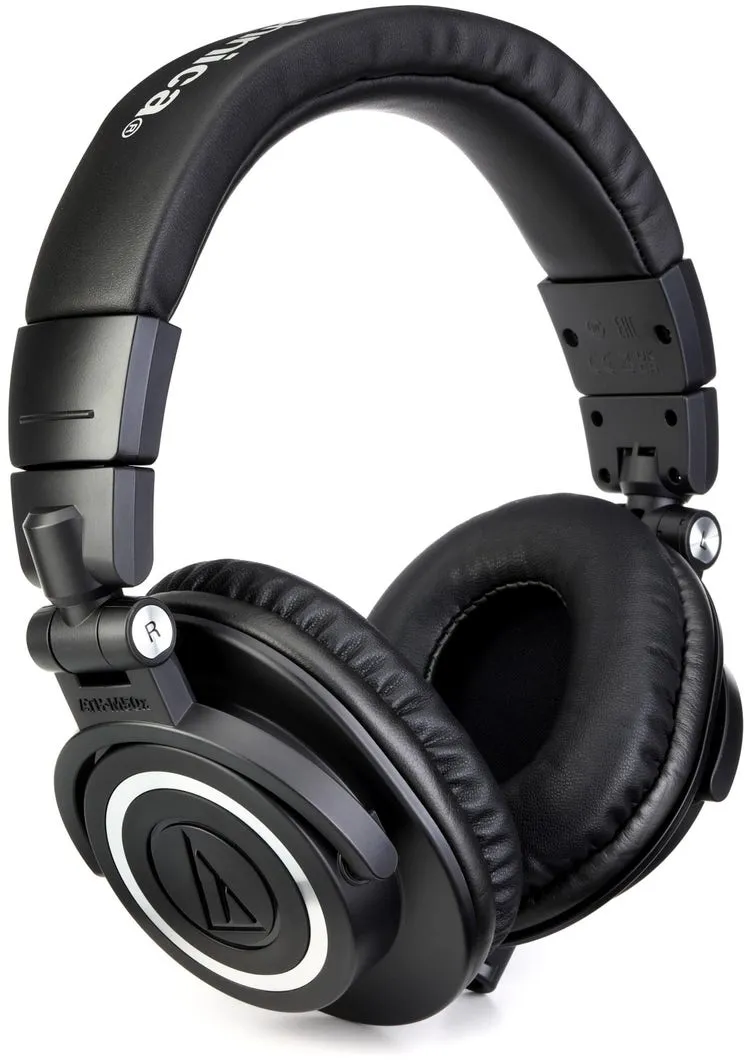
Audio-Technica ATH-M50x
Best for: energetic all-round production.
Detachable cables, folding design and lively sound make it practical for production, tracking and travel.
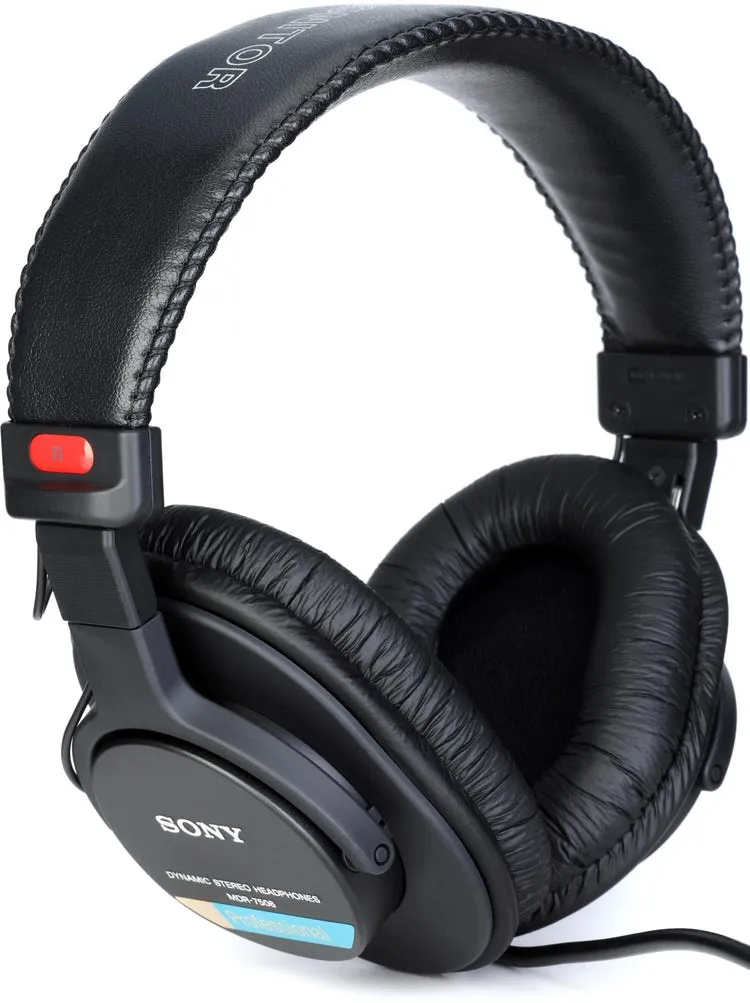
Sony MDR-7506
Best for: editing and detail checks.
A classic studio monitor headphone for hearing clicks, noise, harshness and recording problems fast.
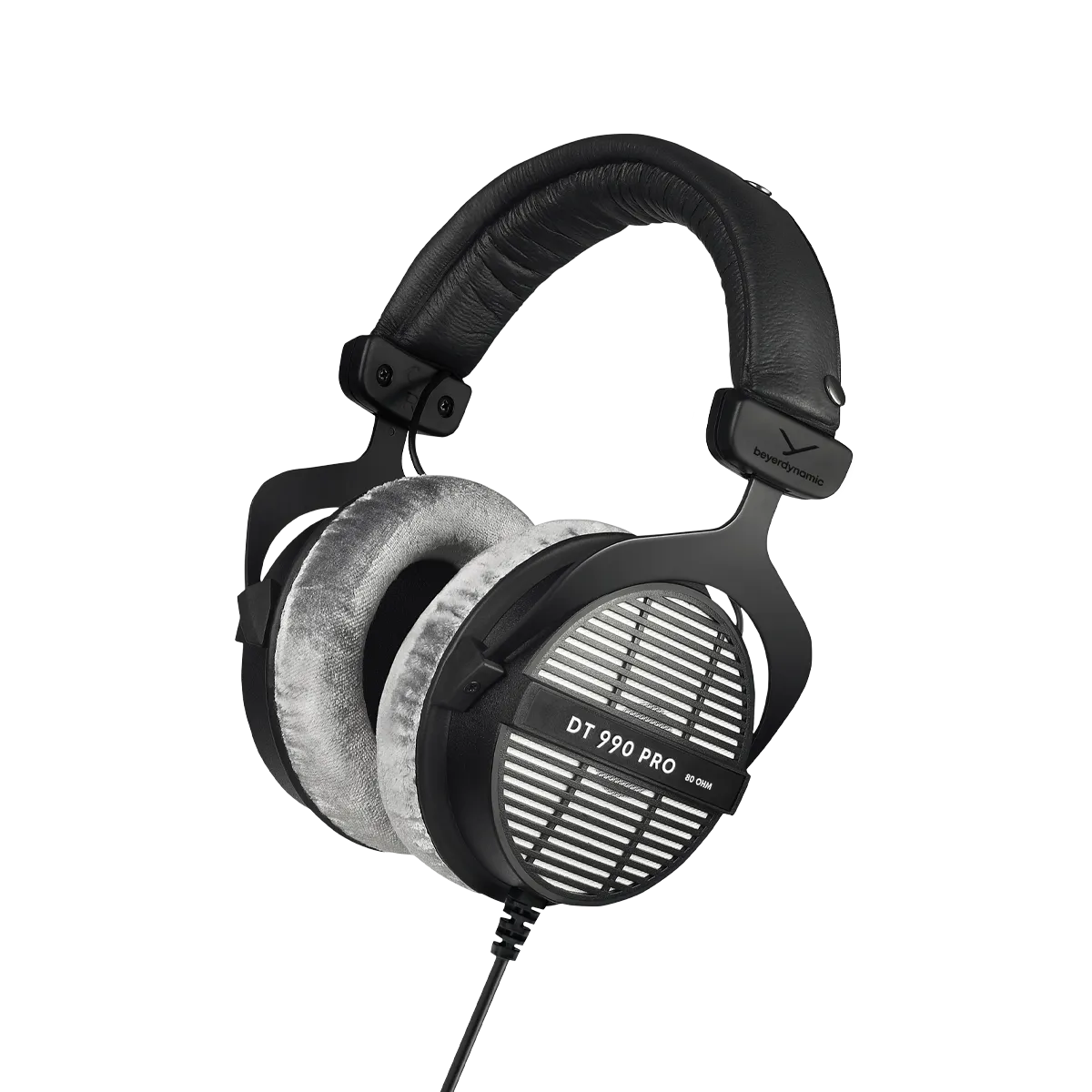
Beyerdynamic DT 990 Pro
Best for: open-back mix perspective.
Useful once you already have closed-back headphones and can work quietly without bleed or room noise.
Closed-back first, open-back later
Closed-back headphones
Best first buy for bedroom producers because they work for vocals, late-night sessions and noisy rooms. They isolate better, but can feel less natural for mix depth.
Open-back headphones
Better sense of space and less boxed-in listening, but they leak sound and are poor for vocal tracking. Add them later if your room is quiet.
Impedance matters
Lower impedance headphones are easier to drive from laptops and small interfaces. Higher impedance versions may need a stronger headphone output.
Comfort matters
A headphone that sounds impressive but hurts after 30 minutes will not help you finish music. Pads, clamp force and cable style matter.
Popular headphone comparisons
DT 770 Pro vs ATH-M50x
Comfort and isolation versus detachable cables and punchy all-round production use.
Open comparisonHeadphones vs monitors
Understand what each monitoring route does well before spending on your next upgrade.
Open guideBeginner studio headphones
A simpler starter shortlist if this is your first monitoring purchase.
Open beginner guideStarter studio kit
Pair headphones with a sensible interface, MIDI controller and basic accessories.
Build a starter kitWhat makes a good purchase
For mixing, the headphones that matter most are closed-back — they isolate you from the room and don't bleed into a nearby mic. Look for four things, in order:
1. Flat, uncoloured response — you want to hear the mix as it is, not as the headphones flatter it to be.
2. Comfort — you'll wear them for hours; a heavy or clamping pair causes fatigue fast.
3. A referenceable character — a pair you learn deeply and can trust (the DT-770 and M50x are the two most common for a reason).
4. A repairable build — replaceable pads and cable mean a long life.
Ease of setup
Headphones are plug-and-play — no driver, no calibration. The only real steps are:
1. Plug into your interface's headphone output, not the laptop (which is noisy and weak).
2. Set a comfortable, consistent listening level and stick to it.
3. Use the same pair every session so your mix references stay consistent.
A practical session
A real mixing session on headphones flows like this:
A. Reference a commercial track first to calibrate your ears.
B. Balance levels — headphones reveal panning and detail monitors hide.
C. Check the low end — this is the main blind spot on headphones, so cross-check on monitors or a spectrum analyser.
D. Mono-check and A/B against the reference before you call it done.
Sources checked
Core feature checks were based on official product information from Beyerdynamic, Audio-Technica and Sony. Always check current pricing, impedance version and returns before buying.
Member resource
Once you have a headphone reference, use the Producer Hub member downloads for gain staging, EQ, headroom and mix-check workflows.