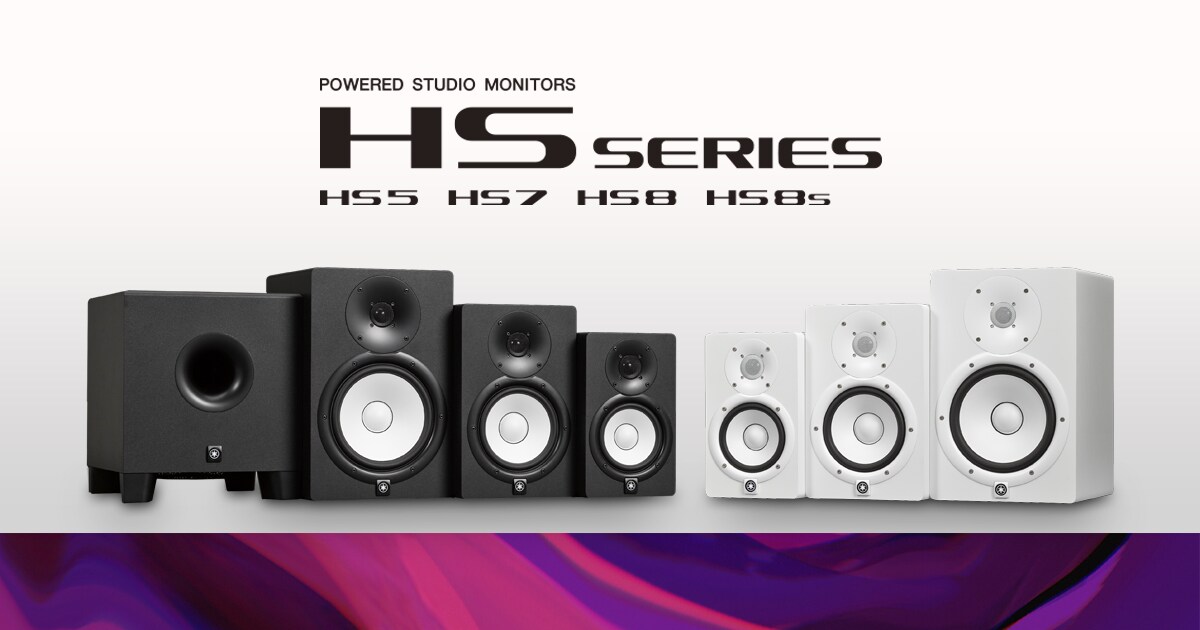
The HS8 is the industry-standard studio monitor for mix translation — 8 inches of flat, accurate reproduction that reveals every problem in your mix before it's too late.
Producer Hub checks manufacturer specs, UK pricing, DAW compatibility and real bedroom-studio use cases before recommending gear. Ratings are editorial scores, not paid placement. Affiliate links may earn a commission at no extra cost to you.
| Woofer | 8" cone |
| Tweeter | 1" dome |
| Frequency Response | 38Hz–30kHz (±3dB) |
| Max SPL | 102dB (1m) |
| Amplifier | 75W LF + 45W HF |
| Connections | XLR balanced, 1/4" TRS |
| Room Control | -2dB/-4dB switch |
The 8" woofer extends to 38Hz vs 54Hz for the HS5. This covers the sub-bass frequencies essential for electronic, hip-hop, and R&B production. With the HS8, you can hear and balance actual bass content without a separate subwoofer.
The HS8's honest response in untreated rooms can excite room modes — bass peaks and nulls that mislead mixing decisions. Some acoustic treatment is highly recommended. Even basic panels behind the monitors make a meaningful improvement.
At 102dB SPL, the HS8 has excellent dynamic headroom for loud monitoring without compression from the monitors. Transients are accurately reproduced at high volumes — important for catching dynamic issues.
Standard recommendation for producers in bass-heavy genres and anyone who mixes seriously and needs full-range frequency coverage. Also excellent for mid-sized studios.
The HS8 is best for producers with a treated or semi-treated room who need honest low-end and enough headroom to make mix decisions confidently. It suits electronic music, bass-heavy production, mixing work and anyone who has outgrown small desktop monitors.
The main benefit is translation. The HS8 will not flatter a weak kick or hide a muddy low-mid. That can feel brutal at first, but it teaches better decisions: cleaner bass layering, more careful reverb levels and less guessing about the bottom octave.
Do not buy HS8s for a tiny untreated room and expect miracles. The bass extension can excite room modes and make decisions harder if the space is not controlled. In smaller rooms, HS5s, HS7s or good headphones plus treatment may be a smarter first step.
The best upgrade after HS8s is not another monitor pair, but acoustic treatment, calibration and a reliable headphone cross-check. Once the room is under control, the HS8 becomes a long-term reference rather than a temporary purchase.
The Yamaha HS8 is the definitive studio monitor for professional home studios. Its flat response, 38Hz bass extension, and 102dB SPL headroom make it the most reliable mixing tool at this price. It requires acoustic treatment to perform at its best, but for any producer who takes mixing seriously, the HS8 will transform the consistency of their mixes.