1. Synthesis type
Wavetable (Serum, Vital) = modern and visual. Subtractive (Sylenth1) = classic analogue. FM = metallic/bell tones. Match the type to your music.
A VST synth is a software instrument inside your DAW — from airy pads to growling bass, it is where your sounds come from.
For a first paid synth, Serum is the near-universal recommendation — a visual wavetable workflow, huge preset library, and the sound behind modern bass music. Vital matches that workflow free. Sylenth1 is the analogue-sounding classic for trance and house, and Massive X is Native Instruments' wavetable heavyweight. Your DAW's stock synths plus Vital cover you free; buy a paid synth when you want a specific sonic signature and the presets that come with it.
Wavetable (Serum, Vital) = modern and visual. Subtractive (Sylenth1) = classic analogue. FM = metallic/bell tones. Match the type to your music.
A big, quality preset library means you start from great sounds and learn by reverse-engineering rather than from blank patches.
Some synths are heavy — check it runs cleanly on your setup with many voices before building around it.
Visual synths (Serum) teach synthesis as you use them — a long-term win over a confusing black box.
Place the .vst3 in your DAW's plugin folder and rescan.
Enter the licence once — most synths are iLok or account-based.
Load the synth on a track with output routed, save as a default.
Confirm voices stay crackle-free at your buffer size.
The modern standard — visual wavetable, huge presets, the bass-music sound.
Full review →
The near-identical free wavetable workflow. The best no-cost starting point.
Official site →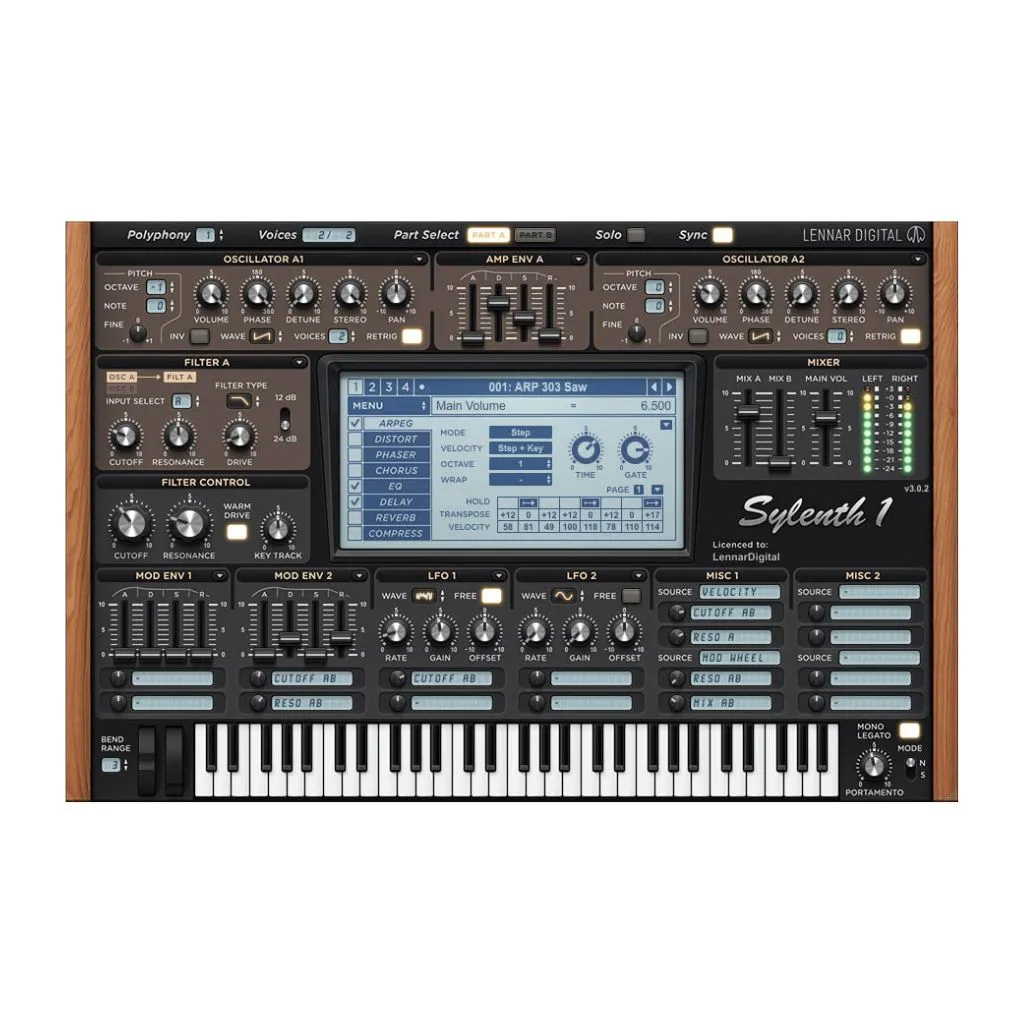
Warm, immediate analogue subtractive — beloved in trance and house.
Full review →
Deep, modern wavetable sound from Native Instruments.
Full review →
Faithful analogue emulation — the closest software gets to warm hardware character.
Official site →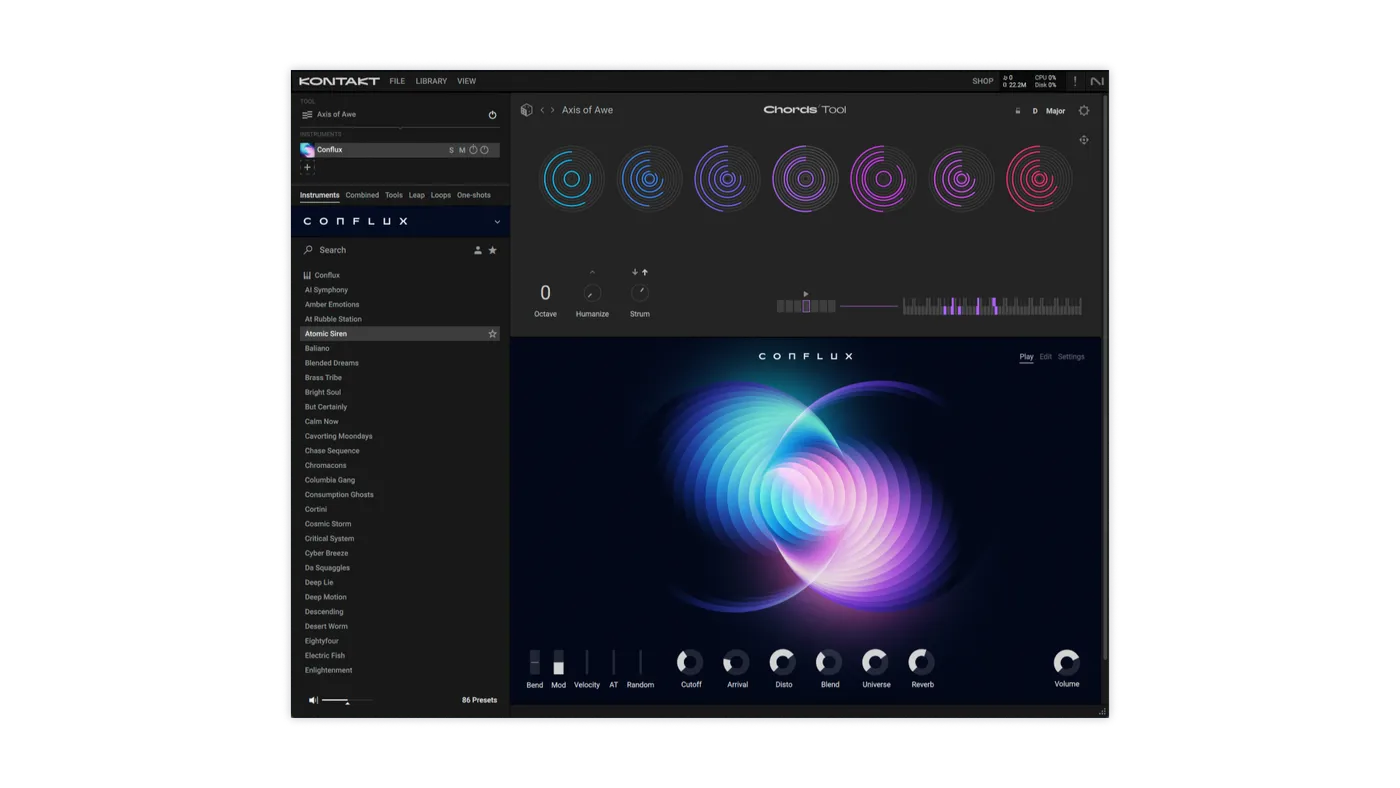
A sampler platform as much as a synth — the vast ecosystem of sample instruments.
Full review →
A modern hybrid (wavetable + virtual analogue) with a beautiful, visual workflow.
Official site →
The "big trance lead" synth — huge supersaws and edm leads.
Official site →
A deep, free and open-source subtractive/wavetable hybrid.
Official site →The two free synths that make a paid purchase optional for the first year.
Back to top →Pros: visual, flexible, modern. Cons: can be CPU-heavy. Best for: bass music and modern sound design.
Pros: warm, simple, CPU-light. Cons: fewer modern bells. Best for: trance, house, classic sounds.
Pros: vast library. Cons: price + ecosystem. Best for: realistic instruments and composing.
Pros: unique timbres. Cons: steeper learning. Best for: experimental sound design.
Vital, Surge XT, stock DAW synths — genuinely capable, no spend.
Serum, Sylenth1, Pigments — the paid sweet spot most producers land in.
Omnisphere, Diva, full bundles — for committed sound designers.
Start from a preset in the right ballpark, then shape it.
Set attack/decay/sustain to fit the part — pluck or pad.
Move the filter and wavetable position, add unison for width.
Keep your own presets so the sound is reproducible.
Serum (or free Vital) because the visual wavetable workflow teaches synthesis as you use it, with a huge preset library to learn from.
Yes — it remains the standard for modern bass and lead design, with an enormous preset ecosystem.
Vital offers a nearly identical visual wavetable workflow at no cost.