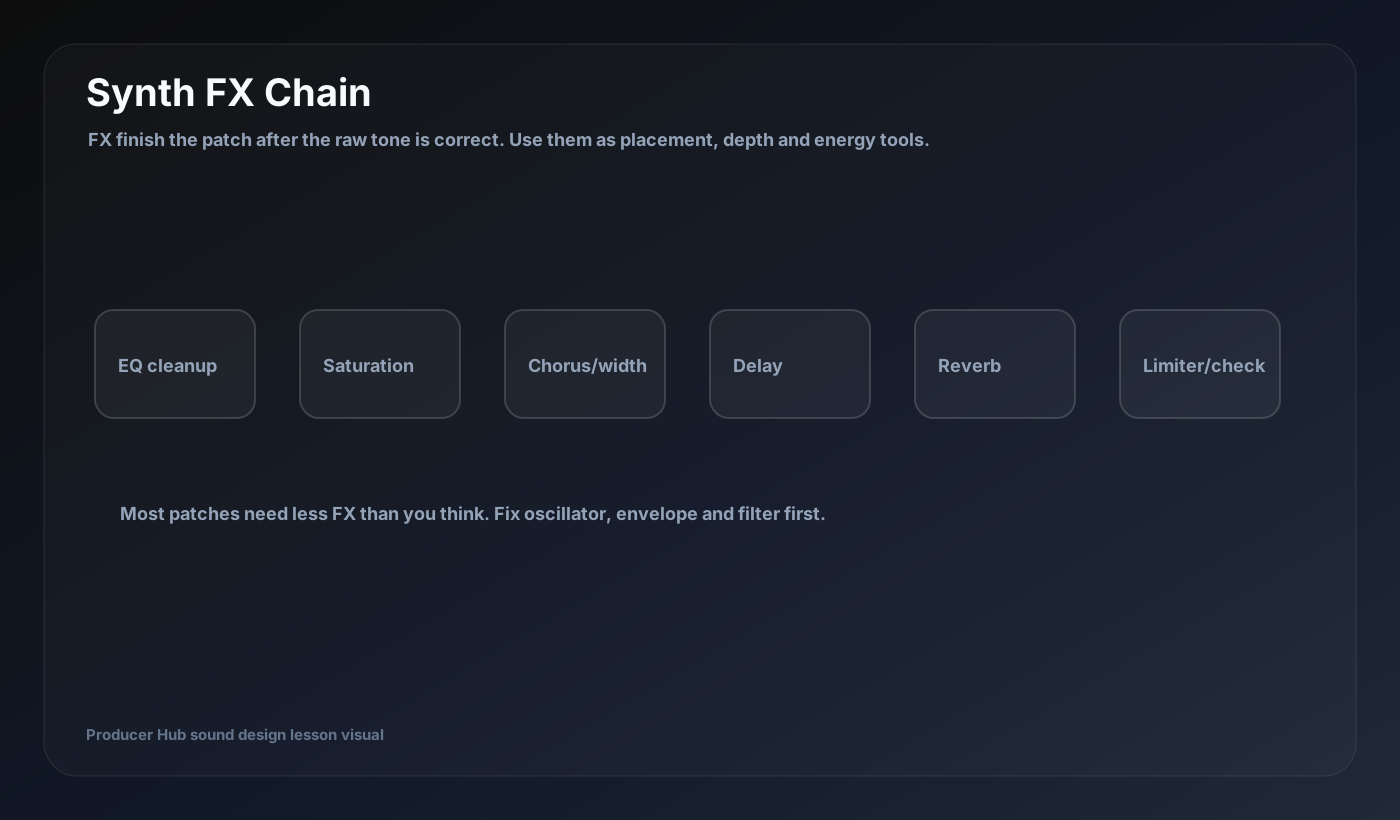
Effects should finish the sound, not disguise the fact that the patch is wrong. Once oscillator, filter, envelope and modulation are doing the main job, effects can add weight, width, depth and movement.
EQ cleanup
EQ removes problems before they hit the rest of the chain. High-pass pads, plucks and FX if they are fighting the bass. Tame harsh resonances before adding delay or reverb, because time-based effects repeat those problems.
Do not EQ every synth by habit. EQ only when it solves a job: space, harshness, mud, air or translation.
Saturation and distortion
Saturation adds harmonics, which can help basses translate on small speakers and make leads feel more present. Distortion is stronger and more obvious. Put distortion before a filter for smoother control or after a filter for more aggression.
For bass, split the sub from the mid layer before heavy saturation. Keep the sub stable and let the mid layer carry character.
Chorus, unison and width
Chorus and stereo widening can make pads, supersaws and plucks feel bigger. But wide low frequencies can weaken the centre of the mix. Use width above the low end and check mono compatibility.
A good rule: sub mono, mid controlled, top wide if the arrangement has room.
Delay and reverb
Delay creates rhythmic repeats. Reverb creates space. Use delay when you want groove and echo. Use reverb when you want depth, size or atmosphere. For busy mixes, filter delay and reverb returns so the dry synth stays clear.
Sidechain or duck reverb on leads when the melody needs to stay upfront.
Order and gain staging
A common chain is EQ cleanup, saturation, chorus/width, delay and reverb. But order changes sound. Saturating before delay keeps repeats cleaner. Saturating after delay makes the echoes more aggressive.
Keep each plugin level matched. Louder often feels better, even when it is not actually better.
Turn this into a patch-building drill
Open your DAW, build the patch from a blank synth, then save the result with a job-based name. The goal is not to copy settings blindly; it is to understand why every stage exists.
- Fix the patch before FX.
- High-pass time effects when needed.
- Saturate mid bass, not clean sub.
- Use delay for rhythm and reverb for depth.
- Level-match each processor.