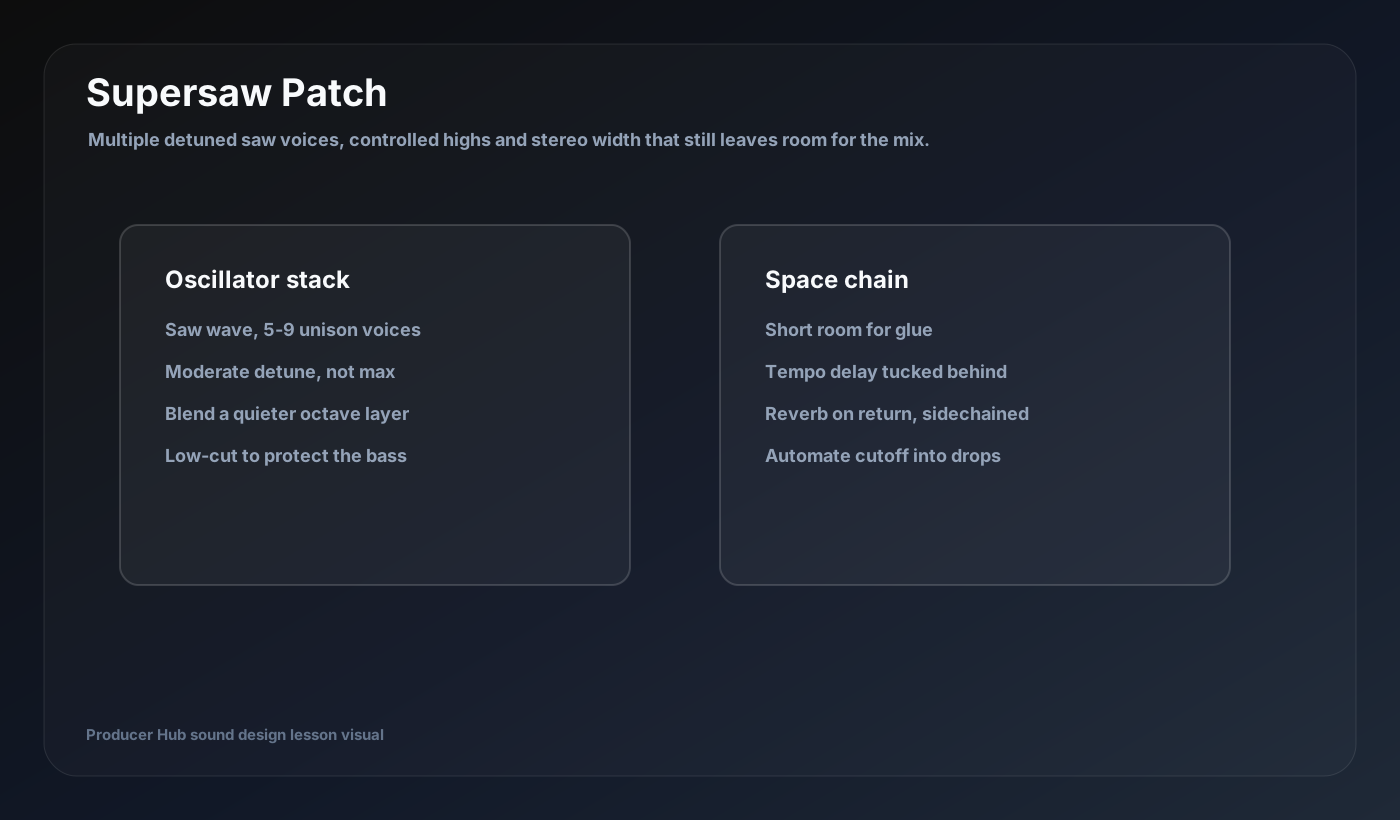
A supersaw sounds huge because several saw voices are detuned and spread across the stereo field. The professional version is controlled: big enough to lift the track, clean enough to leave room for drums, bass and vocals.
Build the oscillator stack
Start with a saw wave and add unison voices. Five to nine voices is usually enough. Increase detune until the sound opens, then pull it back slightly. Maximum detune can sound wide in solo but weak in a mix.
Blend an octave layer quietly if the part needs size. Keep lower layers narrower than upper layers.
Shape with envelopes and filters
Supersaw leads often use a fast amp attack and medium release. Chord pads may use a slightly slower attack. A low-pass filter lets you automate brightness into drops, breakdowns and build-ups.
Use velocity or macro control to make the same patch work for softer sections and full-energy moments.
Add space without washing out
Use a short room or chorus for width, then delay and reverb on returns. Filter the returns and duck them slightly when the dry lead plays. This keeps the hook clear while still feeling huge.
If the sound feels wide but small, the centre may be too weak. Add a quieter, narrower layer rather than widening everything further.
Arrange the part
Big supersaws need simple MIDI. Dense chords, fast melodies, huge detune and long reverb can quickly become clutter. Use inversions that avoid fighting the bass and keep the rhythm locked to the drums.
Automate cutoff, reverb send and delay feedback through the arrangement. Supersaws should grow into moments, not stay at maximum size forever.
Mix checks
High-pass enough low end to leave room for bass. Tame harshness around the upper mids if needed. Check mono: the patch can lose width, but the musical hook should still exist.
A good supersaw supports the emotional peak of the track without swallowing everything around it.
Turn this into a patch-building drill
Open your DAW, build the patch from a blank synth, then save the result with a job-based name. The goal is not to copy settings blindly; it is to understand why every stage exists.
- Use controlled unison.
- Pull detune back after finding the exciting point.
- Keep lower layers narrower.
- Use return FX and ducking.
- Automate size through the arrangement.